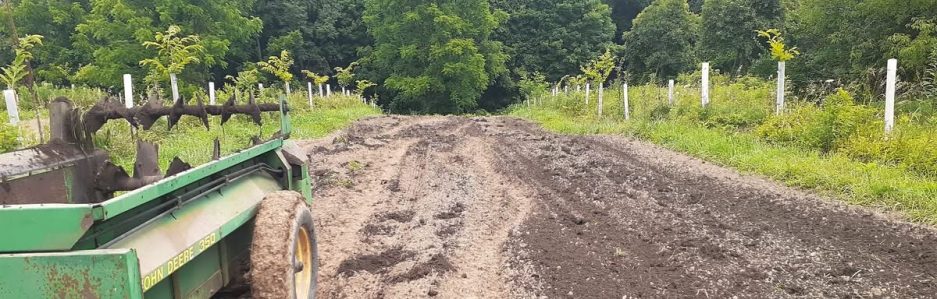


RannunculaceaeTook the first picture on a toe slope near the Little Piney River (South of Rolla, MO). It shows how extensive a clonal colony can get. The second picture is from one of my masters research plots at HARC in New Franklin, MO- you can see this is a very shade tolerant species, the biggest specimens were the ones that had been overtopped by hickory seedlings, as in this second picture.
This valuable non-timber forest product has been overharvested in some places for commercial sale.
This plant has strong, proven anti-bacterial and anti-fungal properties, which are attributed to the berberine, beta-hydrastine, canadine and canadaline alkaloids. In one experiment, the handily killed extract killed Staphylococcus aureus, Streptococcus sanguis, Escheria coli and Pseudomonas aeruginosa (Scazzocchio et al. 2001)
The best sinusitis medicine I’ve ever had was a nasal spray made with this, peppermint essential oil and red root (Ceanothus americanus). That’s a Caty Crabb formula. It’s top notch.
Can form big clonal colonies if managed properly on the right site types. Harvest the fruit and start new colonies yourself if you want to spread it!
“Perennial. Knotty yellow rhizomes. Stem 20-50 cm, hairy.
Usually one basal leaf and 2 stem leaves near top.
Leaves broadly cordate-rotund, 5-lobed, palmately veined, small when they emerge in spring (3-10 cm wide) and veins appearing very prominent, later expanding greatly (to 25 cm) and veins less prominent. Lobes incised, doubly serrate.
Single terminal white flower, no petals. Cluster of red berries in late summer, fall.
Found in rich woods, slopes, ravines, wooded valley floors.”
(Hybrid MOFEP/Park Service Fire Ecology Manual)

 Paradise Ecological Services