Supported by SARE, the Southern Ohio Chestnut Company is mid-way through our farmer-led research project. “Chinese chestnut seedling mycorrhization with porcini”. This is the second research update to the public. We had intended for this to be a quarterly research update. Our progress, dependent on fluctuating weather and mushroom fruiting cycles, has not been the quickest version imaginable. However, we have still made significant research progress. Here is a summary of what we have accomplished, and what is coming up.
For starters, our prediction that novel species pairings between Boletus and Castanea would be feasible, vis a vis what we call the Compatible Genera Generalization, appears to have been correct. That is, if one species in an EMF genus is known to pair with one species in a tree genus, then pairings of other species from those two genii will probably work, especially if the EMF species is a generalist. In Asia, the King Bolete species Boletus bainiugan associates with the Chinese chestnut species Castanea mollissima. This fact supports our hypothesis that a North American King Bolete species can also pair with C. mollissima. Dr. Dietrich shared the Compatible Genera Generalization as a postulate from the broader mycosilviculture research community.
Mother Tree Treatment
We have fully prepared to inoculate Chinese chestnut seedlings using the Mother Tree Treatment. In March, we will be planting stratified chestnuts that should be just beginning to germinate (these seeds are currently stratifying in a refrigerator in peat moss). These will be seeded two per planting site in a grid pattern, underneath a two adjacent rows of 10 chestnuts trees each (20 trees total), all of which are on a 20′ by 20′ spacing. This small area is part of a larger chestnut orchard that is completely protected by permanent metal deer fencing. This contiguous block of 20 “Mother Trees” was observed in June and October 2025 to have flushes of mushrooms growing underneath, presumably in ectomycorrhizal association with their roots. We believe those mushrooms are Boletus variipes fagicola, the Dark Brown Bolete, one of the tasty porcini species identified in the infographic shared on porcini species in Ohio. In this same site, the Cooper Orchard, other mushroom species that have been observed fruiting are what we believe to be Amanita muscaria guessowii, American Yellow Fly Agaric, and Baorangia bicolor, Two-Colored Bolete.
The June flush of Boletus variipes fagicola was larger than the October flush, by a long shot. The size of the flushes appeared to be linked to the weather. In 2025 leading up to early June, Carroll County Ohio had enjoyed steady precipitation levels of 1″ to 2″ per week. Later, a summertime drought meant we were surprised there was any porcinis at all in October.
Steps we have taken to prepare for the Mother Tree Treatment:
-We have signed an MOU with the owners of the mother tree treatment site/Cooper Orchard. Stephanie and Carl Cooper are the orchard owners and are members of the chestnut growing Route 9 Cooperative.
-We have purchased “milk carton” style tree tubes, from SpecTrellissing, to protect the seedling chestnuts in this planting from rabbit damage. Because of the deer fence, and because of the deer fence around the site where these seedlings will be transplanted in an open field for further study, temporary rabbit protection was all that we thought was warranted.
-We have developed a planting layout for seedlings in the Mother Tree Treatment. We will be planting two freshly germinated nuts per planting space in March. At first each milk carton will be labeled. After the seeds sprout, we will return in June to label all seedlings individually, for redundancy.
-We have submitted a sample of the October flush of mushrooms from the Cooper Orchard to Mycota Lab. The goal in working with Mycota is to use their inexpensive, high-throughput DNA barcoding program to get these mushrooms genotyped, and thus have the species identity of our Chinese chestnut-compatible Boletus genetically confirmed. Why is this important? Well, we want to be sure, for a plethora of reasons. Since many of the different species of Boletus have been revealed by genotyping to be sold, purchased and eaten under the false pretense of being B. edulis, we want to have transparent, honest, verified labeling of our porcini product in the future. “Eat Your Local Porcini” might become our marketing slogan. Additionally, since none of us have been to China and seen the Boletus bainiugan growing under Chinese chestnut in Yunnan, it could be possible that this somehow traveled with the Chinese chestnut here, and it would be good to rule that out. B. bainiugan is quite commonly sold under the name of Boletus edulis in the spice trade.
Mycota Lab deserves a plug for their assistance on this project, and really for their work in general. They are facilitating an amazing amount of citizen science, through the Continental Mycoblitz project. If you want to have a mushroom identified and genotyped, participation is easy. Read more about it on their website, but basically you make an observation of the mushroom on iNaturalist, you dry a sample of the mushroom, and then you print the specimen labels (including the iNaturalist ID number of your observation), and the team at Mycota will take it from there. See their website for details! Below is a picture of the mushroom we sent in from the October 2025 flush, a little over the hill but hopefully still usable for sequencing.
Liquid Mycelial Culture
Mycota also received one of our slow-to-colonize Petri dishes from the June fruiting. Truly, the mycelium has grown tortuously slow on Even though We think both of those will come back from the lab, confirming it was the same porcini species growing under the Castanea mollissima trees for both fruitings, namely, Boletus variipes fagicola. While this is not the type species of the genus, it is sold commercially to high-end restaurants and used interchangeably with Boletus edulis. There is no doubt in anyone’s mind that B. variipes is native to Ohio, unlike B. edulis, which as far as we’ve been able to determine has not been seen confirmed as growing in association with any native or Chinese hardwood trees in Ohio. We are happy to be using a native species of mushroom for this project. However, the liquid mycelial culture we are seeking to produce for this experiment is looking less promising than we might have hoped. Thomas says that the literature did report the mycelium can be quite slow to grow on plates, and our experience bares this out. The mycelium from the June fruiting is growing slower than anything Thomas has attempted to grow before, including Tuber canaliculatum, a native truffle species which some people are excited for as a candidate mycosilviculture crop.
We’re not sure that the liquid mycelial culture couldn’t still work, but we may need to go back to the drawing board in terms of the nutrient recipe. Also, picking the porcini when it’s still in the dense, early button stage, before any worms or discoloration or bacterial composition sets in, seems like a crucial step to ensuring the purity of the strain. Thomas thinks there may be contamination on his June plates, though he has employed various procedures to clean up the plates of suspected unwanted mold, with some success.
Spore Solution Treatment
Perhaps our biggest gaff in the project so far was that the large flush of mushrooms in June, which we had intended to use in the spore solution treatment on chestnut seedlings grown in autoclaved soil, was eaten before the pickers realized we needed the whole batch, and not just a sample to send to Thomas at MidAm Mushrooms and Stephen at Mycota Lab. There was some confusion with the autoclaved soil being fully of weedy seeds about a rational next step, as we had intended to introduce the spores as to chestnut seedlings growing in demonstrably sterile potting medium, which it turned out we just didn’t have access to without a steam wagon (large-batch sterilizer, sometimes used in fish canneries). To prevent the mushrooms from going bad, Amy decided to freeze the large haul of mushrooms for later use. Dietrich pointed out that freezing the mushrooms almost certainly would have adversely effected the viability of the spores from those mushrooms, much to our chagrin. Thus Amy ended up sharing those mushrooms as a feast with the Route 9 Cooperative members. That is to say, for the first time, Ohio’s chestnut farmers as a community had an ad hoc culinary experience with the porcini that were harvested from beneath their very own trees. The good news from this is they were reportedly delicious, and furthermore the Boletus variipes fagicola were indistinguishable from Boletus edulis strico sensu. Additionally, none of the porcini taste testers noticed any adverse gastrointestinal effects or other negative symptoms from consuming the stir-fried mushrooms. While Ohio Mushroom Society newsletters have shared Boletus recipes in the past, it is helpful to get confirmation of the delectability and inoffensiveness of our candidate native porcini crop species. Below is an image of the stir-fried B. variipes fagicola from the Cooper Orchard.
Conclusion
We will continue to strive towards comparing the three inoculation methods (mother tree treatment, liquid mycelial culture treatment, spore solution treatment). At this point, the liquid mycelial culture treatment would benefit from starting with a fresh button-stage mushroom from the Cooper Orchard, to reduce the chances of contamination. This would also give Thomas more chances to test for different growing medium which the B. variipes fagicola could colonize more expeditiously. Meanwhile the liquid mycelial culture treatment is also dependent on another flush of mushrooms from the Cooper Orchard. This time, the same day that the flush is observed, Badger will take the mushrooms to Cincinnati, and use them to apply a spore slurry to several air pruning beds full of Castanea mollissima seedlings that we have growing already. While the growing medium their in was never autoclaved, it was in pure pine bark fines with some minimal fertilization that should have washed out or been absorbed, entirely, by this point. We believe this low nutrient, acidic environment can be a reasonable environment for the spore solution to take hold. All treatments will be followed up with testing the seedling root tips for the presence of living Boletus variipes fagicola mycelium. We’d like to thank North Central SARE for their support of this project.
Post Script (2025.01.29)
After sharing this research update in the Facebook group Chestnuts as a food crop – Castanea species nut trees, we heard a few interesting things that are related to chestnuts and mycoforestry. Namely, Stubby Brittlegill/Lobster Mushroom, as well as Truffle species, have indicator plant species that have been found growing abundantly in chestnut orchards. This co-occurrance of understory plant with culinary mushroom is similar to how moss on the soil surface seems to be a prerequisite to finding King Bolete mushrooms nearby. This is turning into a useful body of lore. It seems like this should be written down somewhere, so I am taking note of it here for later consideration.
-Another strange plant growing abundantly in some chestnut orchards, that may have a connection to future mycoforestry research, is Ghost Pipe, Monotropa uniflora. Ghost Pipe has been reported in that group to grow abundantly in some chestnut orchards in Pennsylvania. Ghost Pipe is a non-photosynthetic plant, a mycoheterotroph that gets its energy from the ectomycorrhizal fungal species known as the short-stemmed russula or stubby brittlegill, Russula brevipes. It is known that stubby brittlegill is edible, and while initially it has a bland or bitter flavor, these mushrooms “become more palatable once parasitized by the ascomycete fungus Hypomyces lactifluorum, a bright orange mold that covers the fruit body and transforms them into lobster mushrooms.” I have eaten lobster mushrooms, these are delicious. So Ghost Pipe growing in a chestnut orchard would seem to point to the presence of palatable species of ectomycorrhizal fungi. It should be noted that extracts of Ghost Pipe are being used by contemporary herbalists as a folk remedy, taken for relieving pain, grief and anxiety.
It’s easy to assume the east-facing slopes of a mountain would be wetter because they get the gentle morning sun, but in the Rocky Mountains and Sierra Nevada the opposite is usually true: the west-facing slopes are significantly wetter and more densely forested. This is driven by the prevailing westerly winds. When moist Pacific air hits the range, it’s forced upward in a process called orographic lift. As the air rises, it cools, condenses, and drops most of its moisture as rain or snow on the windward (western) side. By the time the air crests the ridge and descends the eastern slope, it has lost much of its moisture, creating a drier “rain shadow” on the leeward side. This pattern flips the usual planting advice you hear in the East: -In the Appalachians (where winds are less consistently from one direction and summer humidity is high), forest farmers growing ramps (wild leeks) and other spring ephemerals prefer north- and east-facing slopes. Those aspects stay cooler and moister through spring, giving shade-loving, moisture-dependent plants a longer growing window before the canopy closes. -In the Rockies and Sierra Nevada, however, if you’re forest-farming osha (Ligusticum porteri)—a high-elevation medicinal herb that thrives in cool, moist woodlands under and around aspen especially but also fir, spruce, Douglas fir, and oak—you’d do better to plant on west- or southwest-facing slopes at the appropriate elevation (5,000 to 11,500 feet). That’s where the orographic effect delivers the most consistent soil moisture that osha needs. -So the same ecological preference—a cool, moist, forested landscape—leads to opposite slope-aspect recommendations depending on which side of the continent you’re farming.
Brief Introduction: If you’re reading this, I would guess it’s because you’re preparing to travel to Egypt or Ethiopia, and somehow you found my travel log. But it’s possible you found this because you’re my client, or we’re colleagues. So maybe we know each other through silviculture, fire, forest farming, or chestnuts. Just in case you don’t know me though, hi! I’m an atypical farmer, from the hilly part of Ohio, USA. If you keep reading, you’ll encounter musings on farm science, cultural history, political economy, ecology, and my own personal adventures. I spent three weeks exploring the Mother Continent with my friend Dr. Preston Houston. Our goals included experiencing and supporting coral reef conservation in the Red Sea, and studying coffee agroforestry in the Abyssinian Highlands. Day to day, the subject of my focus in this piece oscillated between the technical and the charmed. My scope fluxed between the deeply personal to the sweepingly political. Throughout, I meditated on plants, people, food, land, and how they relate to each other in these places… When you read this, I want you to breath in through your nose, and conjure the smell of fresh-roasted coffee to your nostrils. Feel free to skim!
Day 1/21: Egypt & Ethiopia 2025
Why these places? I’ll explain later.
Running on little sleep and starting in the dark, I drive from Athens, OH to Canton. My fellow traveler Preston is waiting. Together we press North, eventually parking at the back of Mikey Seiser’s driveway in Cleveland. Just a one block walk from there and we take the Red Line commuter train to our first airport. Cleveland really is the best metro in Ohio.
Expected delays (due to security workers being expected by the government to work without pay) did blessedly fail to materialize. So did the dumbass propaganda videos we had heard were being played. Thank goodness Thinking ahead, we split the cost of a Priority Pass. Having private lounge/restaurant access for a party of two or three will make international travel much more relaxing. We decided it was worth it because this trip requires a decent bit of airport hopping.
Cleveland’s airport lounge was all about Polish sausage. The Dulles (DC) airport lounge is run by Turkish Airlines and the food is fricking gooood. Though their dish drone still alarms me.
We’re taking a red eye to Frankfurt, then on to Cairo!
Day 2/21: Egypt & Ethiopia 2025
Kind of sleepy, all night and most of the day in transit to Cairo. Preston negotiated a good cab fare, with the agreement in writing, to get from airport to hotel. Our driver motioned to the many riot cops in side streets of Tahir Square as we passed. “Whoever controls this space controls the country, that’s why they have all these WORMS here.” Okay pop off dude!
Not a single traffic circle in sight… I’m a long way from Athens lol. No stop signs or traffic lights either. No auto accidents. The movement of cars appears as if there are no rules, but upon closer inspection. the flow of traffic is following some kind of strict logic.
Most interesting part of the day was observing the Nile River valley from above. The division of the realms of Set (the dry desert) from vast stretches of bright green irrigated farmland, was striking and obvious. Seeing the many canals and modern towns and some ancient ruins from on high, was just so cool.
Day 3/21: Egypt & Ethiopia 2025
Our first real day in Egypt, and the day we mostly acted like normal tourists. We slept in, took a guided tour of the Necropolis at Giza (big pyramids). Then came back to Garden City Hotel to nap. At night we took a dinner cruise on the Nile. None of this is why we came, but hard to pass through Cairo without a polite nod to its archeological and natural features.
Our cab driver, as soon as we got into the cab, started talking about Gaza. I guess that’s not surprising. The Rafah Crossing is only about a 5 hour drive East of Cairo. Over the past two years, the Egyptian Red Crescent has delivered about 70% of all humanitarian aid that has reached the Strip. And yet Egypt just made a deal with Israel to buy $35 billion USD in natural gas from the Leviathan gas field. Leviathan was recently discovered (cough cough) right exactly off the coast of Gaza. With that proximity and juxtaposition, how could it not be on his mind? As you may remember from yesterday, these cabbies are pretty tuned in.
We hired an excellent local guide to the pyramids. She told us all the widely accepted history (we invented the first insurance companies, to protect pyramid building crews! The rock is limestone, quarried right here on the Giza Plateau!) as well as various conspiracy theories (maybe the pyramids were actually carved out of mountains and just gilded with masonry… by ALIENS! Protector Djinn guard against tomb raiders and use lethal force, unless you have the correct conversation with them). There were fun looking tandem paramotors buzzing high above us, new since COVID. Some day soon I want to try that.
Though our guide’s English was good, she couldn’t make sense of my wheat allergy. That made lunch challenging and ultimately insubstantial. I need to be much more decisive about this for the rest of the trip!
I enjoyed the state-run aromatherapy shop, we picked up Jasmine for Preston’s fiancé. I got a “traditional” Pharonic cologne for myself- “Ramses II”- because it smelled good. It came along with lurid promises of many secondary benefits lol.
One unrelated quirk of the day was our successful side quest. We got P’s friend’s dead husband’s ashes through pyramid security. Our guide was a champ- many rapid conversations with many gate keepers. After making it past the camel section, we surreptitiously spread his ashes on the Plateau. Other travelers had spread his ashes in Scotland and Japan. The man loved to travel, what can I say.
After that, naptime and reading. Then a late night dinner cruise on the Nile. This meant being close to the rippling waves of the river while being entertained by belly dancers, whirling dervishes, live music, and all you can eat baba ghanouj. We enjoyed feeling the breeze on the deck. Looking forward to getting away from the traffic and the smog to Hurghada tomorrow!
Day 4/21: Egypt & Ethiopia 2025
We hustled past Tahir Square to the GoBus station. Cell service and WiFi cut out in the square until we got out the other side.
Nick of time we got on an economy class bus and rode 8 hours. We passed the new national capitol, constructed with the goal of being too defensible and just far enough away from Cairo that the plebs can’t overthrow it. This featured enormous fake palm trees, studded with surveillance and coms equipment, interspersed with seemingly endless new Soviet-style concrete high-rises. It was all surrounded by a wall that makes the US border wall look sort of half-assed. Not a fan of all these walls obviously.
After we got to the Red Sea, we passed by thousands of wind turbines until at dusk we reached our destination, the seaside resort town of Hurghada. We walked off the main drag to save time, because it was much later than we had planned to get in, and therefore entered a rundown part of town. The tiny mosque there had water in big plastic reservoirs for foot washing, because there was not maybe piped potable water available. We felt perfectly safe though. After awhile we popped back out onto a main drag that almost could have been in Istanbul.
Checking in at the Lamera Hotel, two Egyptian women offered us a complimentary shot of bourbon. One was Coptic, one was Muslim, both were friendly but neither could comment on the booze from personal experience… on the wall was a clock for Berlin, a second clock for Cairo, and a third clock for Moscow. We were escorted to our room by a lad who then took away our dirty laundry. I’m not used to that degree of helpfulness from hotel staff!
For dinner, we walked to a seafood place called The Starfish. I think I recognized people from maybe 10 different countries there! We picked out a Grouper they had caught that day and split it, after having a bowl of roe and prawn soup, stuffed eggplants, and a taihini and mackerel salad. It was exquisite, 10/10. I have to say, a meal that good would have been $100/person 20 years ago in the US, and we happily paid $22 per person.
Tomorrow we meet with an individual named Shady Halal. They are from the local environmental group. We will see how and if we may plug into some scientific diving for them, as volunteers.
Day 5/21: Egypt and Ethiopia 2025
This morning we met with HEPCA staff to discuss our options for experiencing and helping out the local marine ecosystem. Then we started a SCUBA “Deep Dive” course with Colona Divers, got 2 dives in.
…
HEPCA=Hurghada Environmental Protection and Conservation Association. It’s an NGO dedicated to marine health in the Red Sea. We contacted them months ago about volunteering on a coral reef planting. We finally met their conservation biology team over coffee. Mariam specializes in sea urchin research, analyzing die off patterns in urchins and their recovery. Iman is studying the soft coral’s basic biology. Shady is a psychology/sociology guy, studying human behavioral change to protect natural resources from depletion. They’re certainly a passionate group of young scientist-activists. They’re working on getting us permission to explore the mangrove forest on Juzur Abū Minqār island, just off the coast. Normally there are only mangroves on the coast, where a seasonal drainage of freshwater comes off the land into the sea. Yet somehow this island’s interior is like a safe harbor to these halophyte trees.
Thanks to HEPCA, Hurghada is phasing out single-use plastic bags. HEPCA already is charged with running trash pickup for the town and keeping the reefs healthy and clean, so the bag ban is a logical extension of the work. They also do environmental education in the local public schools to raise awareness amongst children. It’s a systemic approach to keeping plastic trash from killing off the local sea turtles.
They have particular concern for reef health. Currently looking at recent changes in coral spawning (likely as an effect of climate change, the coral this year didn’t just have 1 night of releasing gametes – it has been occurring over a month/months…Hopefully meaning more coral but the effect is not yet known. Their oldest project however is ensuring coral-safe anchoring for all the ships in the region, and helping to enforce rules against destructively dropping anchor in the reef.
…
After this, we decided to begin shore diving with Colona Divers. We talked ourselves into taking a two-day course that would forevermore let us safely and legally descend to 40 meters (131 feet) underwater. We got 100 feet down and saw a bunch of healthy coral, and many fish. Our teacher took many pictures, you can see his IG content @ahmed_saber_underwater
Day 6/21: Egypt and Ethiopia 2025
We went on a few reef dives today. Reefs look to be in good health, though I’d say they have that “loved to death” look that some of our national parks have. Preston says we saw triggerfish, blue spotted rays, purple on yellow bright looking mascara wearing fish (name?), and some incredible soft coral on today’s red sea dive. I am in love with one of the soft corals which very much reminds me of one of Southeast Ohio’s many fine representatives of plant family Orobanchaceae. Maybe beech drop, if it was very muscular and branching.
We hung out with a Lithuanian fellow named Ernestus and some Danish folks. The many, many, many Russian tourists on and off the dive boat have all kept their distance from our boisterous Anglophone bubble.
In reflecting on cultural influences on interpersonal communication styles, I quipped “if they’re not yelling – they’re not communicating”.
Basil is one of the most common urban landscaping plants here.
For dinner we had grilled pigeon, stuffed pigeon, home-fermented root crops, way too many stuffed grape and cabbage leaves, and molokhia. Molokhia is jute leaf and garlic soup. It’s kind of okra-like with that lovely, slimey viscosity. It’s traditionally served with poultry so, you know, very culturally appropriate to on pigeon night.
Tomorrow we finish our dive class, strategizing more with HEPCA, and hunt down a stack of postcards.
Day 7/21: Egypt and Ethiopia 2025
Ahmed’s health advice: “Smoke after diving, it feels great and then you see right away if you have decompression sickness.” I’ll spare you his relationship advice, it’s worse than his health advice When it comes to diving though, he’s a great teacher. We dove to 123 ft. The mild nitrogen narcosis you experience at that depth is interesting. PADI describes it as “unjustified elation”. Preston jokes that this recreates the experience of being a sports fan and having your team score a goal (neither of us watch sports ball). I have to agree- I was feeling silly, jocular, like I wanted to throw a pigskin around. Playing sports≠watching sports we were picking up trash whenever we found any, and I had picked up a 5 gallon Dasani water jug.. which I could barely stop myself from throwing like a football at Preston. As we ascended, the effects of the nitrogen bubbles in our blood faded, into a more muted sense of serenity. While we were down there, we saw octopus!!! Also found Egyptian Pounds and Russian Rubles. Basic math is really hard on the sea floor (part of dive training). Now we’re happy to be certified Deep Diver, on top of our Open Water SCUBA cert!!!
…
We met with HEPCA and learned more about their many programs. There’s a lot to share in person if any of this interests you. They can’t easily legally take monetary donations from us, because there’s a one year lag in government processing/paperwork before such transactions are approved.Qatar and Turkiye were funneling money via Islamic NGOs into Egypt in an effort to destabilize the government, so Egypt clamped down hard. Egypt and Turkiye are kind of rivals in the Islamic world, not well-versed enough in geopolitics to understand the Qatar connection. Anyway, here is more of the good work that HEPCA does:
-Did you know- the Red Sea’s temperature fluctuates between 18 to 32° C seasonally?! That’s 64 to 90 deg F! This means the many corals growing here are more resilient to temperature fluctuations than in other spots around the globe. Because of this, there is hope these corals can survive the next century. 12 key species of coral, all of which typically spawn around the full moon in April. HEPCA staff help collect fertilized coral eggs from the reef, put them in tanks at the lab, let these size up, then put ’em back on the reef to continue building out these bio-cement habitat elements. HEPCA’s intervention helps the reefs grow and extend “rapidly”- two year lag time before the scientists see confirmation of their success at a site.
-HEPCA farms the imperiled Giant Clams. They restore many to the wild, while also selling some for cheap on the open market. This is what we’d call a social business, in that it’s a financially self-supporting kind of charity work. Their cheap pricing undercuts the poacher’s market. Love this approach.
-HEPCA catches many species of fish larvae with light traps (they have 10, spread through different habitats). These spawn are raised in absence of predators, then released. This spikes the adult populations.
-When they make new reef or are restoring degraded reef, they have underwater speakers playing acoustic recordings made at the healthy reefs that still exist. This audio attracts algae-eating fish, who then protect the new coral gametes that the HEPCA team is releasing, from the threat of being smothered by algae.
-HEPCA is pushing hard on many fronts, but they say environmental education is most important. If kids don’t snorkel or play in the sea, they won’t fall in love with the sea, and civic participation in a systemic approach to the human waste stream will go awry, and the reef will get killed by local pollution before it can face the final boss of climate change.
Day 8/21: Egypt and Ethiopia 2025
We took a speedboat with Eman and Achmed to a little island called Juzur Abū Minqār. I have been going crazy without seeing the green of plants, and so our contacts arranged for a visit to this mangrove forest, on an island off the coast. The island seems to be an outcropping of black, weathered, semi-fossilized coral. It protects the mangroves a bit from the white caps and wind, which are good for kite surfing but rough if you’re a stationary terrestrial organism. While we were there, we saw:
Tetraena alba/
Zygophyllum album (white-bean caper)
Avicennia marina (grey mangrove)
Atriplex halimus (shrubby orache)
Arthrocnemum macrostachyum (Glaucous glasswort)
Every one of these is useful to humans and has a slightly different adaptation to dealing with excess salinity in their environment.
We saw many interesting seashells but declined to take any, because of a belief about Djinn on the island. What to say about Djinn…they are regarded as largely incorporeal sentient humanoids. Spirits of smoke and flame, with personalities, beliefs and politics as varied as those of human beings. They live everywhere, among us. Sometimes possessing people or animals. They also are regarded as living where humans cannot, partially to enjoy peace and quiet away from us, as well. In the Quran it says they were created before humans by Allah. Eman says there are definitely Djinn in this abandoned hotel we passed, and Achmed says they live on this island we’ve visited. Eman has been admonished by her elders to not take shells from this beach, because the resident Djinn of that beach would regard it as theft from them. I can’t say we weren’t tempted, but we took only pictures.
We took a glorious dive, all four of us together, off another Island- Little Gisun, also called the Police Station for the tiny military outpost there. Walls of hard and soft corals 20 meters high, many eels, some nudibranchs, clown fish, anemones, etc.
We got postcards sent out, ran other errands, and had food at a nice place off the strip. Half price if you don’t just go to the tourist traps.
I don’t know if you’ve seen the famous Shia Labeouff/Transformers montage of him just saying “No, no… NO!.. NO. No..” but I’m studying up on it. Because the street vendors had me for a mark. I’ve changed up my vibe a bit and am now not getting hassled so much. Haggling… has also been an issue. Price in writing ahead of time is a good idea if you don’t want to get up-charged, post facto.
We had a crazy good night dive. Saw an enormous Hawk-Billed Turtle, more octopi, cuttlefish, mind-blowing big Carnation coral with special Lil Crabs cleaning them off. We were being sneaky, and kept our torches down. Beat the crowds. The reef just right off the peer was so cool and resilient. I think a “live aboard” experience, where you’re diving four times a day and stay out at sea for a week, would be interesting. $1500, food and rental included… doesn’t that sound nice?
Day 9/21: Egypt and Ethiopia 2025
We bussed to Luxor (a well put together, older city than the parts of Hurghada and Cairo we’ve been too. We spent the afternoon roaming around the streets, seeing the sights, constantly declining invitations to be ferried in a horse drawn carriage, getting high on the smell of incense and the thrum of humanity, just the vibrant sea of people looking comfortable and happy in traditional garb, pouring in and out of mosques (it’s Friday). I finally found a street vendor selling freshly prepared lupini beans- the mild fermented bean taste and the crazy high protein and fiber content is amazing. There are only two or three things (okay four) things that I want to comment on.
One: taxi cab drivers, including via horse and boat, are reeeeally into Heath Ledger’s Joker. Why? Idk. We’ve seen his face pop up many times. Tonight we saw something in this vein that was truly exceptional. On the banks of the Nile, we saw an Egyptian sailboat flying a flag that had Bob Marley AND the Joker on it. We spent awhile after that searching the bazaar for this item, but honestly turned up nothing…
The second thing to discuss is the contemporary Egyptian’s relationship with basil it is grown everywhere in pots. Landscaping in pots on and around people’s stoops, public planters and in the ground along small and large streets. But it’s not in the food as far as we’ve seen smelled or tasted… we did see it for sale dried at the market. I asked our receptionist at the hotel what Egyptians use it for. He said normal people don’t eat it, only people in the military. The plot thickens! Lol
I’ve forgotten what else I was going to mention, other than wishing you and yours the brightest of Samhain blessings, my friends
Day 10/21: Egypt and Ethiopia 2025
Atmospheric inversion this morning made smoke from the burning agricultural waste and trash hang in the Nile valley until 10am or so. We had a good breakfast on the roof of the Oasis Hotel and could see less than yesterday afternoon.
Our hired guide came with a cab driver at 9am. His spoken English comprehension wasn’t great so getting our questions across was a slow endeavor, but he had a broad knowledge base. He took us on a tour of the Valley of the Kings, Valley of the Queens, Hatshepsut Temple, a valley of tombs for the high-level workers, and the Karnak Temples. I’ll share a few details that I found particularly interesting.
-The Aswan Dam put a lot of temples under the waves of a massive new reservoir. Man, what a SCUBA trip that would be! Except that UNESCO helped the Egyptian government to deconstruct those temples and move them 60 m up onto land.
-Class War in Ancient Egypt! In the afterlife, a Pharaoh confronts not just the serpent Apophis, but also your slaves from when you were alive… they are waiting to jump your sorry ass in the afterlife lol. You have to lean on the help of goddess Wadjit to kill your already once-killed slaves, before you move on. So… Pharaoh is very clear about persecuting the Class War. And, these pharaohs took a lot of slaves. Not making them unique in their treatment of POWs, but the huge illustrations from 3,500 years ago of slaves having their tongue, left hands and members cut off by the thousands was pretty ghastly.
-Pharaoh Tutankaman changed the size of his wife’s statuary representation to be equal to his. Supposedly this represents a change in gendered power relations in society for awhile. Not sure if that’s at all true.
-Feminist icon Pharaoh Hatshepsut! We visited her temple. You sometimes hear about women in ancient Egypt having a better time than in Greece or Rome, but it was still a very patriarchal society. Yet Hatshepsut is a woman who was the the most powerful person for twenty years during this very patriarchal time. She wore a fake beard, dressed as a man, and ruled. We learned that during her rule she imported many new plants and animals from Somalia and other places. She sent an expedition to the land of Punt, Northeastern Coast of Africa, to get planting stock for the incense trees that produce frankincense (Boswellia) and myrrh (Commiphora). Our guide said she had priests make a “lovely” story of her being a daughter of the god Amun-Ra. Thus her lack of royal blood was no problem. And the complete desecration of her temple by later Pharaohs who didn’t appreciate her leadership, was eventually stopped by Amun-Ra’s priests because halfway through the desecration, they discovered the planted evidence of her invented genealogy. Made-up genealogies are going to be a theme for the next few journal entries I think, mostly in connection to the character of Memnon from the Ilyad.
-We visited the Collossi of Memnon. These are statues of pharaohs that the Ptolemeic Greek dynasty redgarded as statues of Memnon. In pop culture they call this a retcon, edited what’s said about the past so it has retroactive continuity with the story that’s being told. Memnon is supposed to have been a King of Ethiopia at the time of the Trojan War. He was said to be the son of a mortal man and the Goddess of the Dawn, Eos. Memnon allied with Troy and came to Troy’s defense with a huge army of Ethiopians when the Greeks laid siege. Eventually Memnon gets killed in battle by Achilles… Our guide says there is an Egyptian superstition that Eos can be heard weeping at dawn, by these Egyptian statues, mourning her son.
-Our guide claimed that in 1887, there was a French archeologist in charge of the Temples at Karnak. This fellow decided that salt building up on the lower walls, as well as grime in general in the long abandoned edifice, could best be dealt with by flooding the site during the Nile’s annual inundation. When he pulled the trigger on this, it destroyed a lot of the temple.
-Our guide alleged that Pharaoh Akhenaten converted to monotheism (Atenism/The Amarna Heresy) by none other than Islam’s Prophet Joseph/Joseph and the Amazing Technicolor Dreamcoat. From Wikipedia: “In the 14th century BC, Atenism was Egypt’s state religion for around 20 years, and Akhenaten met the worship of other gods with persecution; he closed many traditional temples, instead commissioning the construction of Atenist temples, and also suppressed religious traditionalists. However, subsequent pharaohs toppled the movement in the aftermath of Akhenaten’s death, thereby restoring Egyptian civilization’s traditional polytheistic religion.” I had heard Pagans, Evangelicals and Sigmund Freud make this connection, but wasn’t sure it would be repeated by our tour guide.
Day 11/21: Egypt and Ethiopia 2025
Red Eye to Addis Ababa. Egyptian security guys with large firearms were dismissive of our electronic boarding passes and wouldn’t let us through. Even odds says they just wanted a bribe. But bribing them could have landed us in prison, so we didn’t. With few enough minutes left on the countdown to takeoff, we sprinted out of the transfers wing, exited, went back through security, tried kiosks (not working), located the right desk, filled out forms, but they wouldn’t accept our forms, located the unlabeled Ethiopia Air desk for a paper ticket, were asked many unnecessary questions we already supplied when purchasing the ticket, got past gals with big guns, sprinted, got through another security checkpoint with x-rays… and boarded the plane, which was just late enough to accommodate us. I have to say, America is not good at everything, but by comparison we fucking slay at logistics.
HOLY SHIT am I happy to be here in Addis!
We taxied to our lodging at the Saro-Maria Hotel, grabbed a bite, and slept for 5 hours.
This place is very good for my diet. The staple food is a whole-grain sourdough flatbread that is made without wheat. The grain is teff (Eragrostis tef), the bread is injera. I’m not the only non-Ethiopian person who loves teff, demand is way up globally. Why? “The growing global demand for the grain is due to its gluten-free nature, high level of essential amino acids (EAA), high mineral content, low glycemic index (GI), high crude fiber content, longer shelf life, and slow staling of its bread products compared to that of wheat, sorghum, rice, barley, and maize. The grain is linked to several health benefits including prevention and treatment of diseases such as celiac disease, diabetes, and anemia.” https://doi.org/10.1155/2020/9595086 … The sourdough process reduces the phytic acid content of the grain, making it more digestible. Besides no wheat, I generally don’t eat much meat because of heamochromatosis, so when I saw the Fasting Firfir, that was perfect for breakfast. Fasting firfir is a vegan version of firfir, made with shredded injera soaked in a savory sauce of tomatoes, onions, and spices. It’s prepared without meat, dairy, or eggs. The flavor profile is sour, spicy, not too salty, besides that it’s like a really fluffy pancake. Super good. What a relief for me to be away from the fresh but glutinous pita bread in Egypt that is eaten at every meal as bulk of the calories… Fasting firfir is a popular dish during fasting periods for followers of the Ethiopian Orthodox Tewahedo Church, and is made with the ubiquitous and highly variable spice blend berbere. If you’ve eaten at the Blue Nile in Columbus you’ve had Berbere in something. It’s a red warming mix of chili, fenugreek, ginger, Ethiopian cardamom, and a bunch of other things, just depending on the kitchen! That citrussy Ethiopian cardamom- Aframomum corrorima, is like Ethiopian holy basil in that it’s same same but different from its close relative that the West is more familiar with. Elettaria cardamomum- green cardamom- is in the ginger family too, and is close enough that if you want to make Berebere at home in the US, it’ll work.
After 5 hours of bed, Preston and I met up at the hotel bar for coffee. The espresso machine is the centerpiece of the bar, and down the hall is a well-lit atrium dedicated to the Ethiopian Coffee Ceremony. More on that later but yeah besides SCUBA, coffee is the reason for our trip!
We went for a walk around town. Addis Ababa has thoroughly charmed me. The air is clean. The urban planning really shows, with tons of healthy street trees, fully separated bike lanes and wide sidewalks. Many diverse smiling people, and while it’s a very Christian country we saw plenty of hijabs (but no burkas). The vegetation is lush and not to over generalize but the people we talked with on our walk about town were kind, pleasant, helpful, not pushy. There are beggar kids. They generally accept no for an answer and don’t follow you much. So, overall heckling levels are way down for us compared to Egypt. We eventually bought some bulk roasted peanuts and roasted barley snacks to share with the kids. Between the North Korean embassy and our hotel, there were a lot of happy kiddos after that.
…
I promised you that I’d be talking more about King Memnon today. I am thinking that he will part of a recurring motif. I feel I need his help to unpack some of the complex history in this part of the world. So today, Memnon will help us bridge into talking about Ethiopia’s big news story of the year.
I really like this passage from the work of Philostratus the Elder, “Imagines”, published around 220 CE. Philostratus is reflecting on a painting of King Memnon and his Ethiopian Army, as his soldiers mourn his death from the duel with Achilles. Notice what Philostratus says about the Nile!
“It is Memnon, the son of Eos, who is being mourned. When he came to the defense of Troy, the son of Peleus, they say, slew him, mighty though he was and likely to be no whit inferior to his opponent. Notice to what huge length he lies on the ground, and how long is the crop of curls, which he grew, no doubt, that he might dedicate them to the Nile; for while the mouth of the Nile belongs to Egypt, the sources of it belong to Ethiopia. See his form, how strong it is, even though the light has gone from his eyes; see his downy beard, how it matches his age with that of his youthful slayer… As for the deities in the sky, Eos mourning over her son causes the Sun to be downcast and begs Night to come prematurely and check the hostile army, that she may be able to steal away her son, no doubt with the consent of Zeus. And look! Memnon has been stolen away and is at the edge of the painting. Where is he? In what part of the earth? No tomb of Memnon is anywhere to be seen but in Ethiopia he himself has been transformed into a statue of black marble.”
There is a lost 8th century BC epic poem, comparable to The Ilyad, called The Aethiopis, which talks more about what happens next in Memnon’s story. Essentially the goddess Eos takes slain Memnon’s dead body back to Ethiopia, and also asked Zeus to make Memnon immortal, a wish that he granted. Anyway. Did you catch the part about the Nile originating in Ethiopia?!
These same headwaters of the Nile in Ethiopia have been making big headlines lately. People here are jubilant about the Nile, and really coming together over it (minus a few hardliner Tigray militias that are currently being funded by the Eritrean dictator next door). Why is everyone so pumped? The headwaters of the Nile now have what’s called the Grand Ethiopian Renaissance Dam (GERD)! It is enough to bring the remaining 60 million Ethiopians without electricity into the 21st century, and it is an opportunity to help neighboring regions meet their energy needs as well. For a diverse and often fractured polity especially, the GERD seems to me to be an especially monumental, strategic, lift-tens-of-millions-of-people-out-of-poverty public works project that would be the envy of any community. I should think! But I think to myself, are there salmon in the Nile? No. But just the same, I would like to keep an eye on populations of Nile Perch and Labeobarbus species, which migrate around the Nile some. Though no fish in Ethiopia has gotten to the sea and back since Egypt’s Aswan Dam was completed in 1960, I’d hate to block any fish from their necessary wandering.
Naturally some people have other misgivings. Egypt was worried that they’d be cut off from water, and so Egypt successfully petitioned the International Monetary Fund to NOT loan Ethiopia money for GERD. Why? Well, on the level of needing safety and wanting autonomy, I can empathize with Egypt. Egypt is a highly populous country (119 million people and counting), all of whom live in the Nile River Valley, basically. The population centers have been that way since the Old Kingdom pharaohs. The god of death and desert Set vs. the god of the sun and the irrigated, populated Nile Valley, Horus. If I was worried that someone was going to turn the habitable territory in my region into a desert, I might engage in a little saber rattling, diplomacy or manipulation to protect my position. So far, Egypt is fine though.
The funny thing is, the IMF would have been bad for Ethiopia anyway. I stand by that. So how was GERD’s construction financed? The Ethiopian federal government sold bonds to its people! There are 138 million people in Ethiopia. And now 15 years later, fully funded by the citizenry of the country, GERD is online. Time to pop the champagne! Note, there’s a lot of transmission lines, buried or aerial, that still need to be run.
My embrace of GERD might raise a few eyebrows with my readers. Let me see if I can anticipate some of the arguments and respond appropriately.
-Egypt’s average wage per capita is significantly higher than Ethiopia’s, with Egypt’s average annual personal income after taxes being around $2,273 compared to Ethiopia’s $1,826. This is also reflected in their GDP per capita, which is substantially higher in Egypt ($3,338 nominal vs. $1,011 in Ethiopia) and even more so when adjusted for purchasing power parity (PPP), where Egypt is at $19,094 compared to Ethiopia’s $3,278. I think the relatively impoverished Ethiopians deserve to not be dependent on foreign oil to keep their lights on, and to finish rural electrification. Especially because they paid for it themselves. I guess my point here is equity between these people.
-My second point is that many criticisms of large dams were heard and mitigated with GERD. Egypt has their own megadam (Aswan), and anything critical you want to say about megadams applies much more so to Aswan than GERD. Because of advances in engineering over the past 65 years, GERD has greater power capacity (\(5.15\) GW vs. \(2.1\) GW) than Aswan. Aswan’s tech is the older, rock-fill embankment dam type. Key differences include GERD’s greater height, its strategic upstream location which allows it to minimize sedimentation and evaporation loss in the chilly mountains(critical in this post-1.5° global heating era- pour one out for climate refugees everywhere!), and the contrasting impacts on their respective regions, with Aswan causing significant displacement (110,000 people) and sediment blockage while GERD aims to provide power and flood control to downstream nations and displaced far fewer people (20,000). So it’s not that there’s zero downsides, but side by side, GERD looks pretty good.
Day 12/21: Egypt and Ethiopia 2025
We set out early from Addis Ababa to beat traffic, then headed East and South through the Great Rift Valley. Maybe we unknowingly passed sites where our prior-to-human ancestors are buried. A lot of the fossil were found around here.
We stopped the Land Cruiser many times to look at farming activities. For most of the drive, thorny legume trees were growing at about 15 per acre. Most of them showed evidence of having branches repeatedly harvested, 20 feet off the ground. Cutting the top off a Faidherbia tree or a black locust tree in the US causes die-off of the nitrogen fixing bacteria that lives on its roots, and so then the nitrogen leaks freely into the soil and taken up by crops beneath. Free fertilizer. Doing it 20 feet up must be a pain in the ass with those thorns, but I guess the shade is worth it for livestock… Underneath, the teff harvest was in full swing. In many places the straw had already been piled up loose, larger than round bales, to be transported by donkey and cart for sale or use elsewhere. Thorny branches cut from the trees were piled around these, often. It seemed keep the livestock (cows, goats, donkeys) from eating this fodder, which forces tehm them to forage for stover and weeds on the ground- thus spreading manure on the field before the next crop goes in the ground. I’d heard of but never witnessed these “agro-silvopastoral” systems, where you co-manage crop-livestock-tree. The elegance of it grew on me as we drove along. There were also many living fences, some made out of African candelabra tree/common tree Euphorbia.
We stopped in Ziway for a late breakfast, and I saw a couple of other anglos at the hotel front desk so I say howdy and ask what brings them this way, though I’m pretty sure I know. Yep. “We’re missionaries. We’re from California. We’ve come to teach people about Jesus. Because he’s coming very soon.” Mind you, this place became officially Christian 150 years before Saint Augustine was sent to convert the Anglo-Saxons. They know a lot about Jesus. I wanted to say, maybe do something useful and impactful for your coreligionists here, or go home and find meaning in your life using a different method. To be fair, I’m finding meaning in my life through my encounters with Ethiopians, so like, vacation how you want I guess. “So why are you here?” she asked. “Well I’m a farmer from Ohio, here to learn from what the farmers in Ethiopia are doing.” Her jaw dropped with surprise, but she recovered quickly and replied “What could these people possibly have to teach you about farming? YOU should be teaching THEM. America grows wheat and corn… If they know anything, it must be because China (she scowls) taught them.” It was just about the most rancorous drivel I could have dreamed up, but I guess pretty normal American chauvinist talking points. I wasn’t flooded, but I wanted out of the conversation, so I ended with “Well, they’ve been doing it, farming, a long time. Figure they have a few tricks up their sleeves. Going to go eat, have a nice day.”
We had our first non-espresso Ethiopian coffee there. Served out of stylized clay pitcher, it’s stronger than what I make in my French Press, and no graininess. Simply perfect. They also brought out a brazier with Frankincense resin billowing smoke across the dining room and set it by the sugar bowl. I could get used to this.
Besides looking at the agriculture, I got down in a fair number of ditches to ID the plants. Roadside botany in Ethiopia! I ran into a crowd favorite, growing in the wild as I’d not seen it before- Ashwagandha, here called Gisewa. While in the West this plant is well known and used as an adaptogen to treat debility, insomnia and nervous exhaustion, in Ethiopia the smoke of the burning root is commonly inhaled to address ‘Satan beshita’ or ‘devil disease’. This is a culture-related condition, associated with being cursed by the Evil Eye. Learning that makes me think of my fellow anglos from earlier. I fantasize. What if the waiter had thrown dried Gisewa root on the brazier with their morning coffee, instead of Frankincense? Perhaps it could have snapped them out of their cultural programming, and left them free to try exemplifying Agapic love in a less condescending way.
We also stopped by a nature preserve and saw warthogs, ostriches and gazelles. I’ve never met an ostrich in the wild before. Some of them had grey plumage rather than the black and white I had imagined..
In the afternoon we got to Hawassa. Checked into a guesthouse near the lake called Effy’s Place. We worked out down the street at the resort, took a hike to see the lake and birds- so many birds! Truly the likes of which I’d never seen. Geese, raptors, storks, sparrows, you name it just larger and louder and more colorful than you’re picturing it. Preston recently decided he’s a bird guy. That might be the last straw for me not becoming a bird guy. Intention and attention have been all that’s lacking… anyway. We walked through a market street by the lake, lined with Australian silk oak (Grevillea robusta). Most of the plants are so bewilderingly new, despite it being a temperate forest biome. Many of the vendors were selling Christian icons, painted on wood. There were also some kings with crowns and religious paraphernalia, though no Haile Selassie I as far as I could tell. Speaking of kings, let’s get back to King Memnon for a bit. This will be a non-sequitur if you didn’t read the last two entries.
If you’ve been reading along, you’ve heard that King Memnon was a mythic Ethiopian King from Greek mythology. You might be surprised to learn that there is an alleged connection between Memnon and Thor, one of the gods of Norse mythology. This connection arises from the imagination of 13th-century CE Christian monk, Snorri Sturluson. Sturluson wrote the Prose Edda, a collection of stories that comprise the Icelandic/Germanic Pagan myth cycle.However, Snorri is a Christian, in a newly converted Iceland. Snorri doesn’t view the Pagan stories as true or sacred. Rather than sideline them or tear them down, Snorri must sort of like these stories, but in comprehensively committing Iceland’s sacred oral tradition to writing, Snorri takes liberties with how the story is told. We know this, because the older Poetic Edda tells the stories somewhat differently. Famously, Snorri is seen to have changed the character of Loki to make him resemble Satan- as 12th century Christians imagined Satan- rather than as a Trickster. That was not the only change Snori made.
Snori’s Prose Edda begins with a new genealogy for Thor! This is an attempt to reconcile Norse mythology with a Christian worldview and contemporary (at the time) European history. So where did the Norse gods come from, according to Snori? He asserted that the Norse gods were simply human descendants of famous figures from the Trojan War. What a wild thing to say, that is.
I will quote a portion of part 3 of the prologue of the Prose Edda, which describes how the black Ethiopian King Memnon was actually the father of Thor, Aesir of thunder, wielder of Mjolnir, slayer of Frost Giants. Memnon “was wedded to the daughter of the High King Priam, her who was called Tróán; they had a child named Trór, whom we call Thor. He was fostered in Thrace by a certain war-duke called Lóríkus; but when he was ten winters old he took unto him the weapons of his father. He was as goodly to look upon, when he came among other men, as the ivory that is inlaid in oak; his hair was fairer than gold. When he was twelve winters old he had his full measure of strength; then he lifted clear of the earth ten bear-skins all at one time; and then he slew Duke Lóríkus, his foster-father, and with him his wife Lórá, or Glórá, and took into his own hands the realm of Thrace, which we call Thrúdheim. Then he went forth far and wide over the lands, and sought out every quarter of the earth, overcoming alone all berserks and giants, and one dragon, greatest of all dragons, and many beasts. In the northern half of his kingdom he found the prophetess that is called Síbil, whom we call Sif, and wedded her.”
I want to reiterate, there is really no direct link between Thor and Memnon besides the one Snorri invented. I know that it may be fun to think of white supremacists having an aneurysm when they hear that Thor’s father was a Black man. But the liberties that Snorri took- because of his goal to make Norse stories fit inside Christian ones- include sort of stealing King Memnon’s thunder and giving it to Thor, but in a way that makes Thor less than a god. I suppose anyone wishing to bolster or downgrade their own, or another’s, bona fides to rule, may simply allege that the ruler is a descendant of such-and-such person or god. Pharaoh Hatshepsut claimed divine heritage for herself. Interestingly, Snori attempted to downgrade Thor’s status by claiming human ancestry. Maybe I’ll talk about another example of this sort of thing later in the travel log.
Day 13/21: Egypt and Ethiopia 2025
With the help of the Yirgacheffe Coffee Farmers’ Cooperative Union, today we visited the Gedeo Cultural Landscape. I wish I could bring all my agroforestry people here on a study tour, because the Gedeo culture and the Cooperative Union have gotten both the agroforestry and business side of things very well figured out, which of course requires constant innovation.
We toured the countryside, the farms, the facilities, thanks to the Yirgacheffe Coffee Farmers’ Cooperative Union- a cooperative of cooperatives, similar to Mondragon Corporation. Here’s what these farmers have to say about themselves: “Representing over 46,094 farmers, Yirgacheffe coffee farmer’s cooperative union was established in June 2002. Its 28-member cooperative are located in Gedeo Zone in Southern Ethiopia, one of the most prominent coffee growing regions in the country & the only source of Yirgacheffe coffee. The 62,004 hectares (that’s 153,215 acres for my fellow Yankees, their farms extend beyond the Gedeo region) dedicated to garden coffee produce on average around 20,000 metric tons (44,092,450 lb) of Yirgacheffe washed and sun-dried coffee per year”. The general manager of the Union, Erkehun Hirbaye, put us in contact with their certification specialist Alehegn Tiba, who visited us last night. Today our intrepid guide and translator, provided by the Union, was Tsegaye Figa. We had a blast together. Preston’s observations of the Union included this: “They pride themselves on top grade coffee using 0 child labor, with worker-interests represented, intelligent mixed land use practices with a climate considerate structure.”
The Gedeo Cultural Landscape is a region of the Gedeo Zone/state. This place stretches across the eastern flank of the Main Ethiopian Rift, ranging from 1,307 to 3,072 meters (4,288 to 10,079 ft) above sea level. We got up close to the top of that. The place is famous for it’s agroforestry, which is HIGHLY developed and sophisticated. It’s nice to be shown that our highest ambitions are actually quite attainable, in agroforestry.
-This area is 114.4 square miles, 90% of it is covered in agroforestry, and is home to 2,550,000 people. That’s 22,290 people per square mile. Compare that with Athens County, Ohio with an average of 121 people per square mile. It’s truly staggering how many people are packed into such an agricultural area.
-The staple food of the Gedeo people is Enset (Ensete ventricosum). Enset looks like a purple stemmed banana tree, but you eat the starchy root instead of the fruit. Ethiopia is the only country where the domesticated form of the plant is cultivated, for some reason! It provides the staple food for approximately 20 million people, not just the Gedeo. Enset lives up to four years only, they say the best kocho (enset flatbread) comes from the mature enset plant.
-Enset and coffee bushes both grow really well together. Eventually the enset towers over the coffee bushes (25+ feet tall), but it starts small. Neither of them is bothered by the shade levels from each other, no matter which one is taller at thee moment. Neither seems to compete much with the other, even when grown tightly side by side. Neither is a “heavy feeder” of soil nutrients. The Gedeo people’s intercropping of coffee and enset neatly solves the problem of people who farm for export markets but who also must feed themselves. You’ve got your cash crop and your staple food, growing together, over-yielding like crazy compared with if you had the same field partitioned in half and only grew a monoculture of one and the other in each half. But while these two crops are the headliners, there are some other important crops in the mix.
-Trees above. There are at least five or six tree species that I consistently saw above the enset/coffee, but one deserves special attention- as the most common, and the most useful. Engidicho is the Gedeo word for it, Millettia ferruginea in Latin. It’s a leguminous “fertilizer tree”. Engidicho improves soil fertility through leaf litter decomposition and root exudates, leading to maybe 30% higher total soil nitrogen under its canopy compared to areas without trees. This modest bump integrates nicely with the enset and coffee! The trees were of various sizes, maybe 10 full sized trees per acre and another 15 or 20 smaller overstory trees per acre. Besides using these trees, the farmers exclusively fertilize with compost. It’s virtually all certified organic, at least the Union farms.
-The Common Tree Euphorbia, the cactus looking thing we saw yesterday on our drive, makes up a living fence around most of the stands/orchards we saw. This keeps livestock in, or out, depending on whether they are being recruited to eat weeds.
-There were patches of Blue Taro being grown in the sun. There was African Blue Basil growing as a weed. In the tops of the tall trees there were traditional honey bee hives that were put there and harvested from by strong, agile climbers. Southern Ethiopia is famous for its honey and its Tej, and it’s cool to see that piece firmly established in the Gedeo agroforestry cannon. Apparently when we get to Bonga, we can sample unifloral coffee honey. You know I’m excited for that!
—-
Okay, so that was the agroforestry system. Our day was structured something like this.
As Preston said, we started our day with an incredible breakfast and coffee ritual. They roasted the beans over coals in front of us after burning Frankincense. The roasting and incense is heated by charcoal, made from the Gedeo Cultural Landscape. The point of the ritual is to enjoy exvellent coffee together, pray if you’re inclined, bury the hatchet on grievances, strengthen social cohesion. It worked, we are tight with Ephi now. The ceremony was at Ephi’s House, the guest house in Hawassa we’re staying at. The profits of this B&B go to pay the tuition of 37 local children. Ephi has been quite helpful in networking on our behalf and speaks impeccable English and is just the best host. He’s a software engineer and set up this affordable, nice housing option for tourists as a social business. Good vibes. If anyone follows in our footsteps, I can’t recommend Ephi’s House highly enough.
We drove way up into the mountains and checked out the processing facility and two farms. I was especially impressed at the facility by the constructed wetland that processes all of their effluent from soaking the beans and removing the fruit off the beans- the “cherry”. Marsh grasses and the bacteria on their roots decompose the sugars and what not before the water is released from the facility into the watershed.
We visited a private farmer as well, who doesn’t participate in the co-op because his beans are regarded as consistently the highest grade, and he doesn’t want to have his beans blended with other farmers in case their quality standards don’t always match his. As far as I can tell, this is mostly just whether people pick the beans at the pinnacle of ripeness, or pick them a bit early for a more efficient harvest, with fewer passes through the orchard.
After getting beat to hell by the Land Cruiser on muddy mountain roads and traipsing up and down the slopes, we were about ready for late lunch. But first we stopped at a traditional (pre-Italian fascist invasion, ugh) Ethiopian coffee house. No espresso in sight, just the ongoing coffee ceremony. Frankincense smoke billowed out the door and your are served this concentrated, exquisitely fresh, deeply flavorful cowboy coffee (minus the grounds). You can see the oils on top of the coffee, it’s just not foamed into a crema like with espresso. I found myself taking really tiny sips and just naturally enjoying it slowly. You are served it out of a finjal, not a demitasse, but same same- white ceramic cup holding maybe 100 mL. Something interesting they do is spread fresh cut grass/sedges/rushes on the tables and floor. Strictly for vibes as far as I can tell. They also serve water with the coffee, so that you don’t get dehydrated, and popcorn or peanuts so you don’t crash. The harvest of the coffee is starting now, but it won’t be finished processing and getting sold until March through May of 2026. Preston and I are bringing back at least 4 kg of green beans which we bought at this place for $8.50/lb. Any roasters want to try it, please let us know. Mr. Hellbusch has dibs on a lb of mine but that leaves another 3 lb or so.
Somehow we mustered the energy to go for a run after all that. The long drive back to Hawassa after dinner gave our food time to sit and digest. I’m going to sleep well tonight! Our malaria prophylaxis drug (Malarone) is supposed to give you intense, constant, weird dreams but thus far it’s been chill thankfully.
Day 14/21: Egypt and Ethiopia 2025
I am going to Quentintino this and start with the finale, which took place at Lidiya Woliata Cultural Restaurant. They brought out injera, corn flatbread with a really nice flavor, roasted enset, enset flatbread, a literally boiling pot of garlic-ginger-chili hot sauce. Then there was the mucho. Oh mucho! Savory couscous made of enset. Then six different dips and sauces and what not, spicy intestine, chicken mole or something, greens and meat, all spectacular and hard to compare to much else I’ve tried. It looks a bit like Indian food but tastes completely different. We ordered mead but the Woliata prefer not to let it ferment past a couple of days, so it was some skunky honey soda basically.
I cried a bit, first because the gluten free diet doesn’t afford me the chance to eat so many yummy grain based breads, like ever, and I was just so happy. Then I cried laughing really hard as they kept bringing me more hot sauce, and tried to bring more bread, even though we couldn’t finish half of the breads they brought in the first place! We almost had to be wheeled out of there in wheelchairs, we were fit to bursting. That meal was $13, for 3 people.
…
Preston made a lot of good posts today. I have a runny nose and was busy taking notes and was too tired
this evening to do much synthesizing.
The high altitude, hitting the gym before dinner, and sensory overload have got me tired. Hope to bounce back in Bonga in the hot springs. Bonga is our final destination and the mythical origin of coffee. Yemen has a similar but different claim to that title.
…
Our reason for being here in Soddo is a visit to the Soddo Christian Hospital. Dr. Preston is investigating the healthcare system here to pitch in when and how he can. This facility was started by American Protestant surgeons after Mengistu fled the country.
We had lunch with a couple of California protestant missionaries who have been volunteering as a doctor-engineer husband-wife team for 11 years, at the hospital. Truly laudable. The missionary hospital fills in some gaps in care that the public government hospital in town has. I lurked and took notes as doctors Preston and Michelle drove the discussion. I think these will mostly be of interest to people in healthcare.
…
Malaria is new here. Previously this was north of The Line. Thanks Climate Change! Lots of cases now.
Annual Albendazole? Yes
Schistosomiasis is rare around here.
Big batches of people from further south to treat Echinococcus patients. Coyotes bring them from south of the border for treatment.
Seven-layer sand filters are the most common way people filter water.
Breastfeeding prevents infants getting bad water.
Lots of Hepatitus A in kids, develop immunity. Much worse to get it as adults.
Pregnant women get tetanus boosters to keep the fetus from getting tetanus.
Family medicine residencies get 3.5 years. Family medicine docs can do more here than in USA. C-sections, for instance.
Egyptian saying: “The egg slowly slowly will grow legs and learn to walk.”
USAID gave lots of funds to Ethiopia’s government for healthcare. Ethiopia had a huge store of medicines that USAID was paying for. So it hasn’t hit as hard. The medicine will run out eventually, so the government is trying to figure out how to fill the gaps.
Ethiopia won’t let family members donate blood to each other even in emergency situations, following the US model. This is not in keeping with 3rd world medicine norms.
A lot of disseminated TB. Economic crisis means there is increased primary malnutrition so peoples TB flares up.
Abortions legal for rape and incest only.
Contraception is available free from government health centers.
Stopped international adoptions 11 years ago, because of kidnappings for a $70K payout internationally. The grift is to say you’re taking a country kid to boarding school in the city, then they’d never come back.
A lot of strokes due to undiagnosed hypertension.
No surgical implants so everyone just gets put in traction.
Washable
Reuseable
A
Pads
S
Bringing menstrual pads to girls in the countryside, they run the cafeteria for profit at the hospital.
A lot of cooking indoors with open flame, restrictive lung disease, right-sided heart disease (in women doing the cooking) from chronic exposure.
…
Cultural observations from our friends here:
Emperor Selassie is no longer a popular guy here due to the Amharicization he forced on the other tribes. We haven’t seen any pictures of him. There is a Rastafarian enclave here, descendants of Jamaican ex-pats and internationals. But that’s a very small community here.
King Tona had a cave here with a lot of artifacts.
They add rue to coffee for flavor and as an anti-spasmodic.
They roast and mill flax seed, mix it with water and a tablespoon or two of honey. “Flax Juice”. I think maybe roasting the flax kills the omega 3’s but it tastes good, goes down smooth, and the mucilage is used to calm GI tract irritation/inflammation.
Moringa popular further south here.
Soddo is where several different biomes touch.
Enset paste is buried in its own leaf underground to ferment for 2 months before you dig it up and make couscous, “mucho”. The leaves are big and don’t rip. It can leave for long time. Low glycemic index carbs. Pro-biotics. Not much protein. But the locals eat enough lentils and chickpeas thst protein insufficiency is not much of a problem.
Most people are self-sufficient farmers and take their own seeds to the flour mill.
Day 15/21: Egypt and Ethiopia 2025
This was an interstitial day of driving through the southern highlands of Ethiopia. Along the way we saw woven bamboo panel fences, living fences made of Redhot Poker Tree (Erythrina abyssinica), and so much coppiced Eucalyptus tree. Most houses are made with coppiced polewood from Eucalyptus, covered in cob. The teff straw works great for cob.
We’ll be in Bonga tomorrow night. If you’ve got a minute, I will finally explain how I came to set my sites on Ethiopia.
Generally, I like going to vacation at the genetic center of origin of tree crops, and just sort of poke around, following where curiosity leads. Sure, there is some planning ahead to know what to look for. Seeing the wild ancestor of your favorite nut tree and meeting the locals who SOMEHOW keep not clearing the primordial forest, well you learn so much. The experience gives insight into how sustainable agronomy and culture elsewhere could learn to play better with the tree you’re visiting. Because our modern crops face all kinds of challenges, albeit different pressures than their wild relatives. All the time, modern crops are faced with new diseases. Farmers have a hard time, their kids see it, they say to hell with this and move to the city. The few remaining crop farmers are told that it’s too hard to make a living without spraying poison on everything. They’re told the future is with incumbent mega-companies who will release new proprietary germplasm to them, but not share the intellectual property of it- you’ve just gotta keep buying their seeds. But there are other ways to deal with plant disease, environmental stress, and the increasing demand for agricultural input. The path of Agroecology is one articulation of this path. Agroecology requires, among other things, open-pollinated, disease-resistant seeds that anyone can grow into profitable crops, rather than relying on MegaCorp. Peasants and scientists have both contributed to the field of Agroecology. For this trip, I was inspired by the heroic and tragic figure of scientist Nikolai Vavilov, who had a strong connection to Ethiopia.
Nikolai Vavilov was a Russian and Soviet agronomist, botanist and geneticist who identified the centers of origin of many cultivated plants. When my interest in the origins of these crops, well, cropped up, I didn’t know who he was. His life story is so interesting. I’ll get to the Ethiopia connection in a second, but first we have to mention how it ended for him. His research focused on improvement of wheat, maize and other cereal crops through scientific breeding based on the modern science of genetics. As a young man who had seen peasants die en masse when it wasn’t a good year for crops, Vavilov became obsessed with ending famine. He suspected that inbred modern crops just couldn’t handle the huge diversity of stressors that Mother Nature wants to throw at them. He reasoned that the wild ancestors of our modern crops must be tougher, more resilient against drought, disease, flooding, etc. So he figured out where the wild ancestors of our crops came from, went to those places, collected seed, brought it back to the USSR, kept it going in small isolated plots to keep the seed available, protected and fresh for the future, and in other spots he would backcross the best modern varieties with their wild counterparts. He made 115 expeditions to 64 countries and collected 380,000 samples, with the help of a staff of 25,000 people.
Unfortunately Vavilov had a rival, and the rival was a successful kiss ass and swindler. This charlatan was named Trofim Lysenko. Lysenko, like other overly idealistic leaders in the Soviet Union, believed genetics was fake news. It had to be fake news, because it was too deterministic, and the Soviets wanted a dramatic departure from what society had experienced before. To them, the property of being fixed, or stuck, inherent in their limited knowledge about genes in an organism, seemed counter-revolutionary. Some leaders groaned at the slow progress of Vavilov, and to these leaders (which eventually included Joseph Stalin himself) Lysenko championed an anti-genetics hypothesis. Lysenkoism, as it came to be called, was the idea that an organism can pass on physical characteristics to its offspring, if the parent organism acquired that trait through use, or disuse, during its lifetime. Lysenkoism/Lamarkism/ the inheritance of acquired characteristics, this idea goes by many names. A classic example of this is the idea that if a particular giraffe really spends all of its time focusing on only the highest branches of a tree, stretching its neck in the process, Lysenko thought its baby giraffes would be born with longer necks. Sort of a fun idea on the face of it. But inheritance of acquired characteristics doesn’t fucking work. But Lysenko sold Stalin on the idea that he could make huge crop improvements in a very short amount of time, thus making Vavilov’s work a criminal misuse of state funds. Now Vavilov, a modern geneticist using traditional breeding (and without access to 21st century gene editing), he knew that Lysenko’s ideas were dangerous nonsense. He spoke out against Lysenko. Stalin didn’t like that, and so he had the Secret Police kidnap Vavilov and take him to the Gulag. There Vavilov died of a combination of starving and being tortured to death. As Vavilov was starving in prison, a handful of his most diehard anti-famine idealist workers holed up in the Seed Bank to protect it from enemy forces. You see, the Notsees knew about his research, and unlike Stalin they thought very highly of it. Just think about the Notsee obsession with human breeding, to make supermen, and the return to an imagined Golden Age. Hold that side by side with Vavilov’s quest to revive the weak modern crops through infusing them with genes from their rugged and wild ancestors. This thematic similarity did not escape the Notsees, and they had it as one of their goals during the siege of Leningrad to send an extraction team and evacuate the seeds to Germany, in order to continue Vavilov’s research. Only you know, to make the seeds more evil. Well, the siege of Leningrad took longer than expected, and Germany started to try to starve out Leningrad’s people. The seed bank was one of the only places in town where there remained a large store of nutritious plants that could be eaten. Mind you, many of the seeds were from plants that had gone extinct in the wild thanks to increased human pressure on the landscape, during the time since Vavilov had collected them. So if you eat those, the game is up, thus making the germplasm incredibly precious, irreplaceable. The scientists defended the Seed Bank with their lives, even as they and everyone around them were slowly starving to death. In total nine of the geneticists at the Seed Bank died, and the Notsees didn’t get the seeds. Many of those germ lines are now in the Doomsday Seed Vault in Svalbard, Norway.
Vavilov being discredited turned out to be a huge blow to the entire Socialist world, who adopted Lysenko’s theories wholesale. Lysenkoism DID NOT WORK, and his stupid ideas and practices contributed to the famines that killed millions of Soviet people. The adoption of Lysenko’s methods from 1958 in the People’s Republic of China had similarly calamitous results, contributing to the Great Chinese Famine of 1959 to 1961. Yikes. With that cautionary tale about the union of pseudoscience in agriculture and historic socialism, we can reflect on a happier time in Nikolai Vavilov’s life.
As I learned about Vavilov, I saw he spent a lot of time in Ethiopia. So many grains have wild ancestors here, it was an important place for him. But you know what tree crop is from Ethiopia? Coffee!
The Coffea arabica plant, which accounts for the majority of the world’s coffee production, is native to the highlands of Ethiopia. Specifically it comes from the Kafa region. The word “coffee” may derive via “Kafa”. Our destination tomorrow is a town called Bonga, at the edge of the Kafa Biosphere Reserve, where the wild coffee still grows. There is alleged to be a 700 year old coffee tree, the Mother Tree, growing there. I must see it with my own eyes! Kaldi the goatherd first discovered coffee’s use there, when his goats ate the berries and went buck-wild. Preston and I shall frolic in that very same forest glade! And we shall meet with Kafficho people, who have been farming coffee for 1,100 years at the edge of the wild coffee forest. These people have curious customs, including having many sacred and ceremonial wilderness areas (mountaintops, springs, forest patches) where nothing can be hunted, harvested, cut down or extracted. Consider a patchwork landscape, containing intensive agroforestry production like we saw in Gedeo, but interspersed with patches of primary forest like still exists in Kafa. This seems like a surprisingly good set-up for biodiversity conservation, when you consider the monoculture alternative- fields of a second crop that don’t allow the easy movement of wildlife (and seeds) between forest fragments. We will see, won’t we?
Day 16/21: Egypt and Ethiopia 2025
We’re finally here in Kafa. Drove much of the day to get here. Walked around town for a couple of hours, met with our guide for the next couple of days. He’s a ranger at the Kafa Biosphere Reserve. What’s this place all about? At the entrance to our hotel, there’s a giant sculptural diorama of Kaldi the goat showing his human companion that eating coffee beans is great. This is allegedly around 900 CE, when coffee first became a crop. Let’s do a speed run through history- the successive waves of colonization and cultural shifts that have taken place.
Hunter gatherers and pastoralists have occupied this space since forever, and actually used coffee (called bunn or kafa around here) as a stimulant since before the tree was domesticated. They had an animistic worldview, with a relationships with the spirits (eqo) in trees, rivers, mountains. Their clans were matrilineal or bilateral. Sacred groves (deqqo mashshara) were used as places for shamanic trance and sacrifice. There were oral epics. There was an under-class that eventually emerged due to taboos around hunting and tanning. When the Coffea arabica plant was domesticated around 1,100 years ago, it starts being grown in gardens. The bunna qalaa (coffee ceremony that we’ve participated in) emerges as a core of hospitality and conflict resolution. Enset and teff start being intercropped with the coffee in a multi-strata agroforestry system, similar to what we observed in Gedeo Cultural Landscape. We’ll get our eyes on this in a couple of days. The surplus coffee gets taken from the farmers to support the chiefs, priests and warrior classes. The chiefs trade the coffee for civet musk, ivory and slaves, with tribes outside the region. Thus coffee becomes this cultural keystone- an economic engine, a social glue, and a sacrament in the Animist religion.
The chiefs are subjugated and unified under the Kingdom of Kaffa (1390-1897), via the Minjo dynasty. Sacred kingship (tato) comes with godlike status. The tato gets coronated at a natural bridge that I think we’ll be visiting. There are 250 or so hierarchical clans (kimo) left intact. At the clan level, there are shamans who do spirit mediums (eqo) for their relatives. The sacred forests (yero) are protected by taboo. The thought was (and still is) that forest spirits (Qooloo) will fucking kill you, or at least blight your crops, or make you and your livestock sick, if you steal from the the parts of forest that are designated as sacred groves. But the Quooloo are not simply hostile. They are seen as overseeing fertility, communal well-being, and environmental balance, with the power to bless people who have a relationship with them. This is accomplished through performing the Qoollee Deejjoo. The Qoollee Deejjoo is a thanksgiving ritual where you make an offering to them a couple of times a year, accompanied with incantational petitions, feasting, and sacrifices of small amounts of grain. The idea is actually that the Qoollee, who are beings who draw power from nature, act as intermediaries to Yero (the supreme and aloof sky god,). Neither Islam or the Tewahedo Church got much of a foothold here for a longgggg time. It remained essentially Pagan until 1897.
That all changed when the Ethiopian Empire, under Menelik II, conquers Kaffa. He invades five times and is beaten back by the Kingdom of Kaffa. On the sixth time, Menelik is successful. He subjugates the people and annexes their territory. He imposes the Orthodox church as the only religion, and forces his new subjects to speak Amharic. Previously Kafecho people had not spoken the same language, nor even a language of the same language family, as people in Addis Ababa. Menelik ordered the destruction of many sacred groves. We’ll come back to that another day. Eqo (spirit mediumship with Qoolloo) is suppressed but syncretizes easily enough with Orthodox Christian practices. Significantly, all land is seized by the Empire and local farmers become tenants who have to pay taxes in coffee. In some ways it’s not that different from what was before, just statecraft on a larger scale. But the forced Amharization created social upheaval with a mass conversion to Orthodoxy.
In the 1920’s through the 1950’s, Protestants finally arrive. The Sudan Interior Mission translates the Bible and builds schools and medical clinics. This appeals to the Manjo (hunters/tanners who are looked down upon) and other poor folks. Literacy increases. This erodes the division between classes and helps make the society a bit more of a level playing field, socially. Protestants take an anti-alcohol stance and have tensions with the Orthodox, and oppose the Eqo.
The Stalinist Derg period abolishes tenant farming and gives the land back to the farmers, where it remains to this day. The Derg also closes churches of all denominations and bans Eqo. Sacred groves are neglected, Protestantism goes underground.
In 1991, Federal Ethiopia was created after the dictator fled. Religious freedom is restored to all. In 2010 the UNESCO Biosphere Reserve was created to protect the forests, and the wild coffee (an important reservoir of genetics for future plant breeders, vis a vis Vavilov’s strategy). The bunna (coffee ceremony) is revived across the country including the Kafa region. Eqo mediumship and Qooloo Deejjoo increase again in the region, but are opposed by the Protestants who regard it as devil worship. The Orthodox don’t mind so much, as the Pagan practices are fairly well syncretized by this point and fulfill pro-social roles, especially now with the stripping away of the sacred king layer of the hierarchy that was attached to Eqo/Animism before. Clans that have converted to Protestantism cut down their sacred forests and turn them into standard agroforestry areas, similar (I think) to what we described with the Gedeo. The Protestant contention here is that Eqo is demonic.
However the tug of war between Protestantism, Orthodox, Eqo, Islam and Secularization plays out in the future, the wild coffee forest needs to be there if the world wants to try breeding climate-adapted coffee.
Eco-tourism, which is basically what we’re doing, encourages the groves to remain. Something something, “attention economy”. We are here putting attention on the natural heritage of the region, appreciating it, hopefully not being too extractive. The coffee, the honey, the sustainable management of the forests, and the agroforestry- this is good stuff. We hope this reinforces everyone keeping in touch with the inherent material and living value this forest has!
Day 17/21: Egypt and Ethiopia 2025
We spent six hours hiking and then taking lunch with our guide for the day, Attirse Atto. I have been riffing about the impact of ones culture, politics and religion on care of the environment. Attirse is a local Protestant guy, who works as a guide, and cares deeply for the environment. His paycheck depends on it! He has been guiding for six years, having received trainings from Ethiopian and German environmental specialists who are helping protect primary forest in the region. He doesn’t get hardly any Americans coming through, mostly Germans. So while he might not be participating in his clan’s thanksgiving sacrifice ceremony to forest spirit (Qoolloo), he is still protecting the forest. He said he doesn’t care what people believe, as long as they are good to each other. Hey, I think I like this guy! He’s taking us for a hike to Dadiben Hot Springs on our way out of town tomorrow morning.
The Mankira Forest is where he took us, it’s one of eight or 9 places in the reserve that are super strict about what can and cannot be done there. Every tree over 2 inches in diameter is completely covered in all manner of moss. The moss builds up and then ferns, mistletoe and other epiphytes join the party. So you’ve got a very shrubby midstory, old looking coffee shrubs, which nonetheless are loaded down with red cherries this year. Their trunks have long mossy beards. Likewise do all the overstory trees. I talked about some of the overstory trees in the Gedeo Cultural Landscape. This is pretty different. No enset. Nothing but downed dead woody debris and coffee cherries and honey are harvested and removed from here. The shade is denser than in Gedeo’s agroforestry. This is essentially a wild forest that has been managed for wildcrafting for a long time.
This place is known for producing a lot of honey. One of the strangest things I observed in the primeval coffee forest is the Euphorbia ampliphylla I saw growing out in the woods. This is a cactus looking thing but it was multi-stemmed like a candelabra, and stood 70+ feet tall. Attirse explained that cutting these down (illegal to do in the reserve but legal elsewhere), farmers use the hollowed-out trunk for beehives. No Langstroth hives here! I’ve posted pictures of these up in trees, no close-ups because I know me climbing the trees to look at the beehives would freak out our driver and guide haha.
Much of the beanage is picked green, for efficiency’s sake, and of lower quality for coffee. This coffee is less labor intensive as a result, and is consumed in-country. There are no cooperatives doing marketing and getting their beans out to an international customer, here. Despite being the birthplace of coffee, it’s a bit like the Land that Time Forgot. Now, outside the reserve there are private farmers growing and selling higher quality beans for export. We learned a little bit of this from a guy at the hotel restaurant named Daniel. Ethiopian fellow who overheard my translation troubles with the server, intervened, and called me over. He insisted on ordering us a drink and telling us his story. He was sent to a Baptist boarding school (Oneida) near London, Kentucky in 1987 to avoid being drafted by Mengistu. This was in the final few years of the Communist period, after the honeymoon glow of Land Reform had worn off and while Mengistu was murdering a lot of people who had grown dissatisfied with their haphazard policies and endless armed conflicts. The regime had lots of allegedly dissident people murdered at their place of work/school/the market, and ordered for their corpses to be left in the street for no less than three days, before being buried at night in anonymous mass graves. Just to serve as a warning, you know? Because that makes you a more likeable leader… Anyway, Daniel’s fam got him out to good old Northern Kentucky, where I’m from, just before he was old enough to be drafted. After that he went to OSU, then City College in NYC to study business. Left that to drive a cab for two years to save up money in NYC, then Baltimore to buy shares in a convenience store his brother was involved in. Saved up enough money to move back to Ethiopia and start a farm in 2010. He has 170 people harvesting coffee right now on 35 hectares. He is pretty damn strict about not paying anyone for green cherries, and he exports all his coffee to La Tazza coffee in Italy.
The oldest coffee tree, now claimed to be 1000 years old rather than 700 years old, was a bit of a gag. It was the same size as any other coffee bush in the forest. I guess people have just been keeping track of these root sprouts ever since fucking Kaldi the goat, that mythic beast that showed the locals how drunk you could get on the beans, first was found nibbling from this particular bush. We got a bit of the story, standing there in the center of a 20′ wide ring of sprouts. When the goatherd first took the beans home and experimented with them and figured out coffee, he took them to a Monk in town. “Hey this bitter black bean juice tastes good, and it makes you frisky. Is this a good thing to share with people?” The monk said no, this plant makes you drunk it is evil. The goatherd decided to get a second opinion, it would seem.
…
There are a couple of noted honey-bearing overstory trees here. Vernonia is the favorite. It has a lot of phenols, flavonoids and anti-oxidants in it, more than any other honey here. It is used for people with upper respiratory infections. People use the bitter leaves in place of hops to brew beer. I am not sure if this was the bittering agent in the live-fermented beer mush called Tella that Preston tried today. I had been seeking it out because it’s made with Teff and I wanted to try a gluten free beer. At 11th hour I learned that it also has barley in it. It was furiously bubbling and still had all the grain in it. Preston had a sip and said “Very interesting thank you” and declined to have any more. No matter! The guide was all too eager to down his and then take Preston’s off his hands. One for the road, in an empty single use plastic water bottle. This was in a roadside hut with donkeys and horses being loaded and unloaded, coffee beans going out, Heineken beer going deeper into the bush to feed the workers.
On the way into the montane forest we also saw Astropanax abyssinicus, another important local honey tree. A tree in the ginseng family?! Bless my stars, wonders do never cease. See, this is why botanists need to travel. I’ve been out of my element, and therefore in beginner’s mind learning all this new, surprising shit. “The plant is sometimes harvested from the wild and used for timber, firewood, or medicine. It is sometimes grown as a living fence or an ornamental plant in gardens.” Of course anything in the ginseng family is going to have some interesting uses.
Two more things of note. Coppice agroforestry with Eucalyptus provides the structural elements, roundwood, for like 90% of house in southern Ethiopia. Its invasive and allelopathic, but yeah its as important as horses and cows to village life now. Aldo, we went to God’s Bridge. A roaring river going under a natural bridge, this place put me in a trance and I really could have just stayed there amidst the squeaking bats. It was the site of coronation for Kaffa’s sacred kings, before the Ethiopian Empire. You can sense why a person would choose this place for religious rites.
Day 18/21: Egypt and Ethiopia 2025
We rose early, the whole landscape completely shrouded in fog. I didn’t sleep a wink, because the Tawehedo monks and community were up ALL NIGHT chanting on loudspeakers at the soccer pitch. They just got done with 60 days of fasting, which in their tradition means eating Vegan. Next time I’m bringing earplugs. Which kind should I get?
Attirse and Henok took us to Dadiben Hot Springs. The place is in another deep part of Kafa Biosphere Reserve with humongous old trees and bearded coffee shrubs. We got there, and it’s Sunday morning. There is a camp where people come and stay for a few days if they have an ailment that needs healing via the magic of the hot spring. Lots of people in their Sunday best, making coffee over the fire, reading the Bible in Amharic, sitting on logs. An enormous baboon paced very close to the humans, waiting by the designated compost pile, ready to take any food scraps off our hands. Our party walked past camp and down the hill to the spring. It was about half a kilometer down from where the volcanic vent spits boiling water out of the ground before its safe to get in. People were hanging out naked, men and women. I was a bit surprised at the juxtaposition of some of these elements, particularly the religiosity of the Tewahedo and the nudity. However, as Preston pointed out, they don’t have the particular American Puritan heritage that would make that weird. So why would it be weird? It’s not like I am bashful about this kind of thing with my friends. We did give wide birth to the women, so as to avoid any appearance of impropriety. Having the hot water pour down on our shoulders was very de-stressing and relaxing.
The rest of the drive we made, to Welkite, was on rough road. We’re heading back to Addis but with the military engaged with militias in the far north, there are known to sometimes be bandits that come south and ambush people if they drive at night. So no night driving. We stopped halfway.
Circling back for a final time to the topic that began with Hatshepsut and continued with Memnon. The Kingdom of Kaffa was ruled by a dynasty that claimed to be children of the gods. It was conquered by an empire that claimed to be descended from King Solomon and Queen Sheba, from the Bible. Menelik II and Haile Sellassie come from that family. Related to this, as you probably know, Ethiopia claims to have the Ark of the Covenant, a sacred relic of the Jewish people. However, the self-proclaimed Solomonic Dynasty did not claim to be Jewish, and actually persecuted the large Jewish community in Ethiopia badly enough that Israel eventually airlifted tens of thousands of them in the late 80’s/early 90’s. And even though most of Beta Israel now lives in Israel, Ethiopia still claims to have the Ark of the Covenant. The purported location of this relic is The Church of Our Lady, Mary of Zion, in Axum. Now, nobody is allowed into the place where the Ark is supposedly held, except for one virgin chad guard, who spends their whole life in the church. I think it is rather telling that Israel has never asked Ethiopia to hand over the Ark. The last undisputed mention of the Ark’s location in the Torah occurs during the reign of King Josiah (circa 640–609 BCE), centuries after the Ethiopian legend claims it was whisked away by Menelik I, son of King Solomon and the Queen of Sheba. Sellasie’s people’s story about it comes from the 14th-century Kebra Nagast. That document, along with the story, includes a genealogy that says SURPRISE. Our family is descended from this family, more than 2000 years ago, so we are royals, and we’re kicking out the old royals and taking control. I don’t have a dog in that fight, but it seems as made up to me as any of the other genealogical claims that authorities make, to justify their rule.
Someone with my political positions is not big on kings or emperors, generally. But having no pictures up of Haille Sellassie anywhere we’ve been seems odd to me as an outsider. This is not because of my initial impression of Haille, which was formed over many years hearing about him from Rastafarians. The primary Rastafarian assertion that Haille was a distant genetic relative of Jesus, and that he was also the second coming of Christ, was disputed by Haile. Haille spoke with Rastafarians about this in 1966 when he visited Jamaica. He denied being the second coming- and asked them to focus on their own liberation. I think that’s kind of amazing- so amazing that the Rastafarians were unconvinced! As for me, in the process of learning more about Haille’s role in helping develop Ethiopia, and in resisting the Italian invasion and occupation, he seems pretty amazing. During the Cold War, his efforts to remain non-aligned (read: not dominated) by either super power, just seem objectively amazing too. Ultimately not successful… or was he, in some way? His mind and grip on leadership slipped in later years, which led to growing discontent among the people and an eventual overthrow in a Stalinist coup d’état. But I think I see a through line between Haille’s pan-Africanisn, anti-colonialism, and the Grand Ethiopian Renaissance Dam. When I look at where I’m from, I have trouble imagining us Kentucky/Ohioans Midwesterners, Appalachians, etc. collectively raising the funds for something as amazing as GERD in 2025, even though it would be in our clear best interest, and even though as Americans it technically is very much within our wheelhouse and within our budget (especially if we stopped funding things like preparation for a land invasion in Venezuela). We really should try to learn a lot from Ethiopia. I’m glad we came, and I’m grateful you’ve read this far.
Day 19: Egypt and Ethiopia 2025
I took the day off of writing the travel log.
Day 20: Egypt and Ethiopia 2025
The macchiato is the favorite coffee drink in Addis Ababa. Why is that? I pose my question to our guide. “Because if you try it you will become addicted, I don’t know. It is very good.” We were in Aster Bunna, a coffee shop that has been beloved by Ethiopians and foreign nationals since the fall of the Derg. I bought 4 lb of freshly roasted whole beans for $24 as gifts. We are told that green beans are exported wholesale to American roasters for $3/lb. I suspect this year it will be a bit higher.
Next stop is the Derg Monument, which I knew would be interesting but exceeded my expectations. First of all, what does it look like? The most interesting parts are off to the sides. There are walls of daguerreotype-looking portrait shots, under which are inscribed Latin names. These are pictures of some of the idealistic Cuban volunteers who came to Ethiopia’s defense when Somalia invaded in 1977. Specifically the Cubans who gave their lives. Cuba didn’t have two nickles to rub together, but between 1959 and 1991, Castro had an easy time recruiting war fighters from amongst the Cuban citizenry to send to Africa to fight. Many Cubans identified strongly with the cause of revolution in Africa, because their recent ancestors had been captured in Africa and sold into slavery to the Spanish plantation owners on Hispanola. So any time a left-leaning government in Africa was under attack during the Cold War and asked the world for help, after the Americans ignored the plee, there were always Cubans who would answer the call. This culminated 10 years after the Oganden War, at the Battle of Cuito Cuanavale, where 55,000 Cuban volunteers came to Angola and successfully helped repel an invasion by Apartheid South Africa. This is widely credited with being the straw that broke South Africa’s back and ended Apartheid once and for all. The Angolan-Cuban forces had to spread out across the landscape, because South Africa had partnered with Israel to develop small tactical nuclear weapons at that point. When the writing was on the wall for Apartheid, they voluntarily engaged in nuclear disarmament so that nukes wouldn’t fall into the hands of a Black government. Talk about doing the right thing for the wrong reason…
The monument celebrates a time before Mengistu killed a lot of suspected internal enemies in the so-called Red Terror period. During the earlier period, the farmland that had been seized from farmers by the Ethiopian Empire was being given back to the peasants. Somalia took advantage of the messiness of this process to launch a surprise invasion. Their goal was to capture the oil fields of Ogaden. Behind the daguerreotypes are modern art statues of people hugging, Cubans and Ethiopians. What’s especially weird to me about this part of Ethiopian history is that before the Ogaden War, America was supporting Mengistu, just as it had supported Selassie before the revolution. The USSR did not approve of Somalia’s unannounced invasion, so it switched sides. America, not wanting to be on the same side of anything as the Soviets, switched sides as well. Super powers do the darndest things. Besides the Cuban part of the park, the central attraction is a pillar that stands maybe eight stories tall, with a big red star on top. There is a golden hammer and scycle halfway down the column. At the base are three heavy infantry guys, 20’ tall, bearing the flag of victory on a spear pole. To the left and right are walls with big communist cast iron murals, which remind me a bit of Diego Rivera’s murals at the national palace in Mexico City. On the left shows the poverty of the common folk and the unsympathetic ruling class, which creates the conditions under which revolutionary fervor takes hold of the people. Comrade Mengistu, as our born-again Christian guide calls him, leads the charge in the city, politically, and eventually militarily. On the right is a similar scene, except Mengistu is leading the rural peasants to arms. This whole installation was given to Ethiopia by North Korea in 1984. While the statues of Marx, Lenin and Engles around town have all been taken down, this installation remains. The Cuban ambassador visited it earlier this year to lay a wreathe of flowers to commemorate the episode
Our next stop is to look inside an Ethiopian Orthodox church. Most of these are not open to visitors, but for one, the Holy Trinity Cathedral. As we enter, we pass devout men and women wearing white, faces 6” from the outer stone wall of the place, reading from a Bible, chanting in a whisper. This place was built under Hallie Selassie in 1942, right after the Brits came and helped the Ethiopian partisans kick out the Italian fascists. There are murals depicting this as well as many of the normal Bible scenes playing out in stained glass. I have to say there is something that feels alive about the space, and the worship, here. Mary Magdalene sits on a throne, larger than and surrounded by the other apostles, in the stained window depicting Pentecost. An ancient tome with pages made of goatskin depicts the apostles in boats, with Mary Magdalene appearing huge in the sky above them. The whole place smells strongly of frankincense, and appears deserted except for us. Our guide motioned us to a far corner. We walk into a little space with walls but not ceiling. Preston and I are shocked, as we come suddenly face to face with the tomb of Haille Selassie. Large stone sarcophagi for he and his wife. Fresh flowers have been placed for them, recently. “At a certain point after Mengistu came to power, he had Selassie’s corpse dug up and re-buried under the floorboards of his own office, so he could be stepping on him all day at work.” Deranged behavior. Mengistu had Haile on house arrest and eventually smothered him to death with a pillow. 18 years later when Mengistu fled the country, Selassie’s body was dug back up (again) and put to rest here. Unless you believe the Rastafarian account, which suggests that this is all a cover up, and that the Lion of Judah is still alive and at large somewhere!… Next to the tomb room is the Holy of Holies. “The 10 Commandment Tablets are back there. You’re not allowed to go see them.” Harry, You Don’t Need to Sell It To Me! Preston is doubtful.
We’ve visited Mengistu and Selassie, but there’s one more important historical figure we have to see. Lucy! As in the Beatles song “Lucy in the Sky with Diamonds”. On the day she was found, the archaeologists blasted the song on repeat. It was actually an Ohio paleoanthropologist from the Cleveland Museum of Natural History who first met her. It’s all Ohio. Lucy is a collection of several hundred pieces of fossilized bone, compromising 40% of the skeleton of a recent human ancestor species, Austarolopithecus afarensis. She is about 3.2 million years old. She has a small skull, like non-hominim apes, but also evidences of upright bipedalism, which means the big brain evolved after the upright posture. Our guide points to a family tree of primates. “I don’t believe this, we did not come from the chimpanzee. I am made in the image of God.” Preston points to the chart. “Yes, you can see chimps branch off from us after Lucy and humans had already split off.” Something funny to me is when I looked up at the art over the door of the National Museum of Ethiopia, where Lucy is housed, there’s the iconic image of her bone fragments. The bones are highlighted, and surrounded by a bunch of Orthodox artifacts which you can see in the same museum. I guess the museum’s curators don’t share the view of our guide, that Christianity and human evolution can’t exist in the same timeline. But, I didn’t ask them.
In the evening, Erkehun dropped by and we talked more about the cooperatives. Organizing the farmers to produce coffee for export was a socialist program, originally. But the farmers were only allowed to sell to the government, which exported the coffee and used the foreign currency to buy weapons. After the anti-Derg rebels won and started a new federal government, they took a pretty dim view of the coffee industry as a whole. They discontinued purchasing and selling of coffee by the state, did not support it in any way for 5 or 6 years. The cooperatives collapsed at that points. But 10 to 15 years later, the cooperatives eventually revamped themselves to operate in a market economy. “The farmers’ will is very strong. If they believe something is possible and the right thing to do, they eventually make it possible.” It’s not efficient for a farmer 50 km from a paved road to market their coffee internstionally for a fair price. Coming together to scale up and market your stufg is just good business sense.
Preston and I will be flying from Addis Ababa home tonight. Not direct obviously. We’ll start a a few blocks away at Bole International (ADD), and go in the wee hours of the morning to London Heathrow Airport (LHR) in England. Then it’s London Heathrow Airport (LHR) to Pearson International (YYZ) in Canada. Assuming the FFA doesn’t cancel our flight, our last leg of the trip is Pearson International (YYZ) to Hopkins International Airport (CLE) in Ohio.
Afterword: Day 22/21
I sit at Walkie Talkie in Canton, OH, reflecting on the experience as a whole, and particularly of getting home. It all seems like a dream. I am subtly changed though. The habits of the trip- rising before the sun with a call to prayer, that is with me. This time it comes up from within me, as there is no muezzin calling down from a minaret, inviting me to morning pages. The physical artifacts we brought home prove it was real, too. 10 lb of roasted coffee, 4 lb green coffee, 1 kg of Vernonia honey, a Jebena and its woven grass pad for making bunna, and let’s not forget the incense. You’d think the smell of coffee roasting in your kitchen every morning, glistening beans smoldering over charcoal from your neighbor’s Acacia branches, would be enough sanctify your guests and your kitchen. But Ethiopians make the whole house smell like the inside of an Orthodox Church whenever they drink coffee together. What incense shall I adopt in the morning? I am going to try balsam of storax, from Liquidambar styraciflua specifically. This tree has recently expanded its range northward into southern Ohio.
Though it all really happened, I realize as we close the book on this adventure- there IS a part of it that is still a dream, and will remain so awhile. We went to Ethiopia, and we saw a strikingly modern agroforestry system comprised of Enset-Coffee-Milletia-Honeybees-Goats-Euphorbia. Figuring out something this real, and extensive, is part of the work of Southern Ohio Chestnut Company with Chinese chestnuts. So too is it the the work of Paradise Ecological Services, with oak-hickory woodland, shade-tolerant herbs and prescribed fire. We’re still developing this. Many hours of development- with a calculator, with a chainsaw, with a tractor, with a drip torch, sometimes in lab coats- remain between now and when our vision will be fully realized enough that the casual observer can step into the dream and immediately see why we came all this way. Despite the distance we have to go, the Egypt-Ethiopia 2025 trip has me feeling ardent for the pursuit of these goals. Hope to see you in the field.
For the last few years, I have volunteered to teach people about prescribed fire. I am an Ohio Certified Prescribed Fire Manager, so part of my motivation is develop a client base, as well as a pool of gig workers to staff my fires. The teaching is pretty straightforward. We spend a few hours in the classroom looking at maps, plans and slides, and then I host several “learn and burn” events to get peoples feet wet. I am happy to say that as of yesterday, there are (144) people who have participated and are on the Google Group. My hope is that one day, people from this mailing list will coalesce and help found a Prescribed Burn Association (PBA) in Appalachian Ohio.
What is a A Prescribed Burn Association (PBA)? It’s a group of landowners and other proactive, ordinary people that form a partnership to conduct prescribed burns. Association members pool their knowledge, labor and equipment to help other people in their association conduct prescribed burns. I think at some point, the people in Appalachian Ohio should start a PBA. Why? There is safety in numbers when it comes to staffing a fire. Mutual Aid between land owners/managers/stewards is a powerful force. The more resources on a fire, the less likely something will go wrong. If people are willing to play tit for tat, it can keep the labor costs down.
Where are PBA’s a thing? At the time of writing, states that have at least one regional PBA are Virginia, North Carolina, South Carolina, Georgia, Florida, Alabama, Louisiana, Arkansas, Texas, Illinois, Missouri, Kansas, Oklahoma, Nebraska, South Dakota, North Dakota, Washington, Oregon, California. None of these states have complete coverage. PBA’s are usually at the county or multi-county level, sort of sub bio-regional.
One of the slides for the classroom portion of my intro workshop includes a national map of Prescribed Burn Associations (PBA’s). I make it a point to check the Great Plains Fire Science Exchange website annually, to see what has changed for PBA’s nationally. Here are the changes I saw this year:
-Between this time last year and now, Washington and North Dakota both picked up a PBA, whereas these states had zero before!
-But in that same period, Colorado and Mississippi went from having one PBA to zero, not sure why.
-Illinois picked up one PBA, but lost another.
-Coverage of Missouri and Texas improved.
Notably, there are currently no PBA’s in Minnesota, Wisconsin, Indiana, Kentucky, Michigan, Ohio, Tennessee, West Virginia, Pennsylvania or New York. I will tell you this. The oak, hickory, yellow pine and chestnut (such as it is) in these states misses the fire that a PBA could offer. The nut trees will continue to fade away without prescribed fire, replaced by other species. As a habitat manager, the slow decline of trees that produce hard mast for wildlife is a huge concern. This is part of my motivation for helping people learn prescribed fire. If you’d like to connect to the people who have taken my class and learn and burns, and now help each other burn on each others properties, I’d like to introduce you. Please contact me.
tl;dr: check out theses links to see Maggie Musto’s coffee bird series. Coffee birds are neotropical migratory songbirds that live on multi-strata coffee agroforestry farms in Central America during the winter. In summer, coffee birds live in Appalachian Ohio, including within and beside the multi-strata chestnut/pawpaw agroforestry happening at Woodcock Nature Preserve. As you read about coffee birds, un-mute each post and listen to their vocalizations as a mnemonic to help you identify coffee birds when you hear them. For more help, you could go on a hike of the 5K Friendship Trail at Woodcock Nature Preserve. While you’re hiking, you can use the Merlin Bird ID app to assist in identifying coffee birds. And if you found this project valuable, there are many next steps you can take. For starters, please donating to Woodcock Nature Preserve and supporting their mission. You could have a conversation about coffee birds and Bird-Friendly Coffee with other coffee enthusiasts. You could even check out a winter coffee bird tour in Costa Rica with Birding Man. Southern Ohio Chestnut Company would be happy to offer technical assistance with agroforestry design and installation to support coffee birds on your property.
As land manager at Woodcock Nature Preserve, I sometimes get requests to facilitate student internships. There is a surprising amount of interesting happenings going on at Woodcock, and I suppose that it’s natural that a certain percentage of college students would desire to contribute their time and talents to the project. In summer 2025, I had the pleasure of working with student intern Maggie Musto. Maggie produced a body of work that deserves to be studied and celebrated, so we’re cataloging that work here.
Maggie is a senior in communication studies at Ohio University. She was recruited by board president Nate Beail-Farkas to help Woodcock. On her own, Maggie applied for a student grant to pay her for her time, and selected Woodcock Nature Preserve to work with. But what would she do? As it turned out, my friend Ryan Dibala at Birding Man Wildlife Tours and I had been developing an environmental education story. We pitched Maggie and the board. Maggie was already thinking of making a series of social media posts, which was a good fit. We got the green light.
My pitch was to focus Maggie’s posts on the birds of Woodcock Nature Preserve. Particularly, the “coffee birds”. Coffee birds are species of migratory songbirds that live in coffee plantations during the winter months, but that come back to live and reproduce in the Midwest, Great Lakes and Appalachian regions during the summer. Both the Audubon Society and the Smithsonian have historically prioritized supporting the coffee birds’ winter habitat. Typically this has been through supporting chocolate and coffee based agroforestry in Latin America. Instead of single strata monoculture fields of chocolate and coffee, these big environmental organizations promote multi-strata agroforestry, where the smaller, shade tolerant coffee and chocolate trees/bushes are cultivated under taller trees, so that the birds can still have a place to roost and feed in the higher canopy. Overstory species in these multi-strata cacao and coffee plantations usually have secondary uses as well. Nitrogen-fixers like Inga edulis (Ice cream bean), Erythrina poeppigiana (Coral tree), and Gliricidia sepium (Quickstick) are particularly valued for low-input systems, as they reduce fertilizer needs. Timber species like Cordia alliodora (laurel) and Cedrela odorata (Spanish cedar) provide long-term income. Many of these trees also have additional specialty human uses for woodworking, charcoal making, food for humans and fodder for livestock, green fencing, and medicinal applications of different parts of the plant. As a result of the Smithsonian and Audubon Society’s work on this, many environmentalists, especially birders, are now familiar with the concept of “bird friendly coffee”. An accessible example of this is Trader Joe’s Shade Grown Espresso. Ryan reports that “It’s fantastic and relatively inexpensive for shade grown java.”
many people don’t think about is that these coffee birds actually reproduce in temperate areas, not on the tropical coffee and cacao agroforestry farms. And when the birds are at their summer home at Woodcock Nature Preserve, they’re actually living and reproducing in another multi strata agroforestry system! Southern Ohio Chestnut Company leases part of the preserve. They have recently gotten coverage in a local paper for their Chinese chestnut orchard, which is an overstory above the shade-tolerant pawpaw fruit trees in the understory. Some of these coffee birds have been directly observed nesting in the trees of this temperate agroforestry site. Isn’t that interesting?! Because of the MODUS tower that Bob Scott Placier put in place at Woodcock, we can track individual birds that make the migration annually between the shade-grown coffee plantations and chestnut agroforestry systems. If people had sufficient interest, we could specifically track the movement of these coffee birds between these tropical and temperate agroforestry sites. The way this series ties together wildlife biology and agroforestry systems, from north and south of the equator, was the hook.
Ryan helped generate a long list of coffee birds that are found at Woodcock. Ultimately, Maggie only had time to write about 20 of the coffee bird species. We feel that the coffee birds that didn’t get a post still deserve an honorable mention. So (in no particular order) here are additional coffee bird Species you can learn about: Chestnut-sided Warbler, American redstart, Tennessee Warbler, Blackpole Warbler, Blackburnian Warbler, Black and White Warbler, Nashville Warbler, Magnolia Warbler, Bay-breasted Warbler, Black-throated Green Warbler, Palm Warbler, Eastern Wood Peewee, Yellow Vireo, Red-eyed Vireo, Philadelphia Vireo, Summer Tanager, Swainson’s Thrush and the Ruby-throated Hummingbird. These species are already known from WNP, according to citizen science observations E-Bird.
Maggie used pictures from Bob Scott Placier’s long standing bird posts on social media, data from the Motus Tower at Woodcock Nature Preserve, as well as information from eBird. She reached out to Sayre Flannagan, Ron Cass, Ryan Dibala and friends, Bob Scott Placier and Susan Calhoun for anecdotes about each coffee bird. Maggie’s weekly conversations with expert birders, including these supporters and board members of Woodcock Nature Preserve, gave structure to the internship.
As a volunteer-run, donation based organization, we hoped to educate the public in a way that sets the stage for increasing our donor base. Some of our regular visitors probably already know a bit about coffee birds. But I wonder how many coffee drinkers, roasters and cafe workers would actually be quite surprised that their Bird-Friendly Coffee also requires habitat management, right here where we live. If you already buy “Bird-Friendly coffee”, maybe you would consider making a tax-deductible contribution to support the programming, infrastructure development and maintenance, and habitat management at Woodcock Nature Preserve. The organization is a local 501(c)(3) that is already providing high quality habitat to the same coffee birds that are supported by purchasing Bird-Friendly Coffee. And maybe you’d like to go on a birding tour on a coffee agroforestry Costa Rica farm with Ryan Dibala. If you do, you might see some familiar feathered faces that you learned about from hiking at Woodcock, and following us on social media.
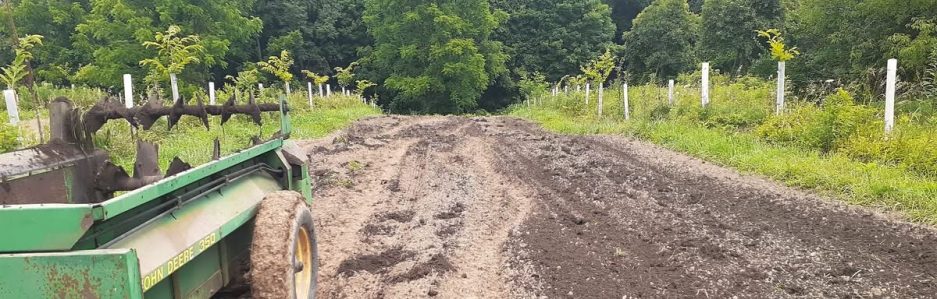
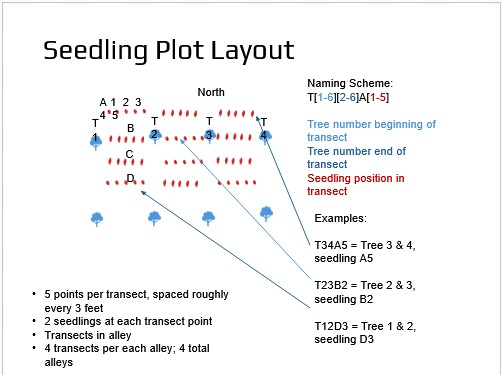
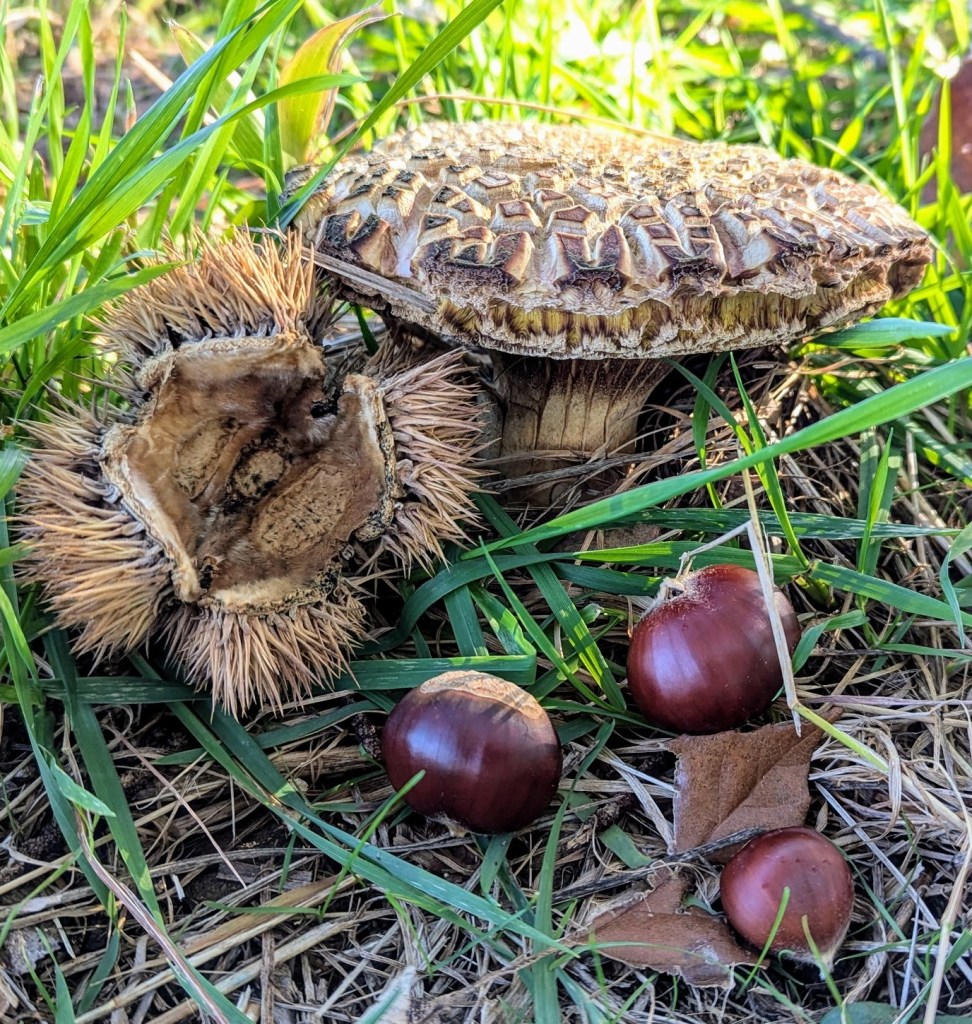
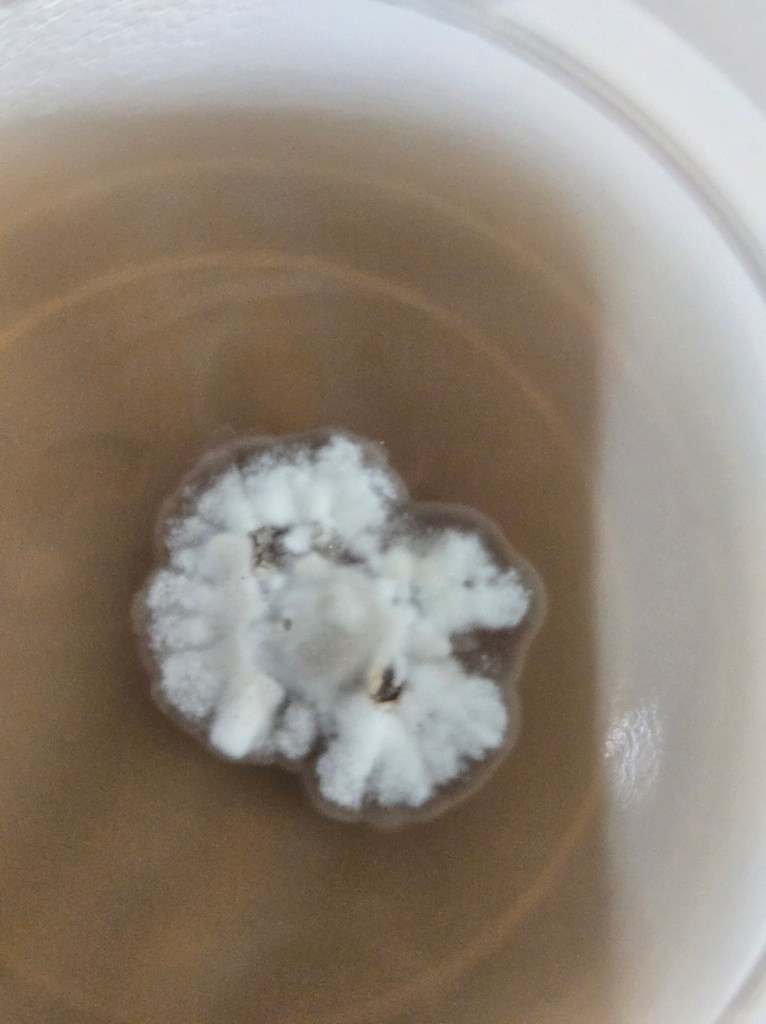

 Thinking ahead, we split the cost of a Priority Pass. Having private lounge/restaurant access for a party of two or three will make international travel much more relaxing. We decided it was worth it because this trip requires a decent bit of airport hopping.

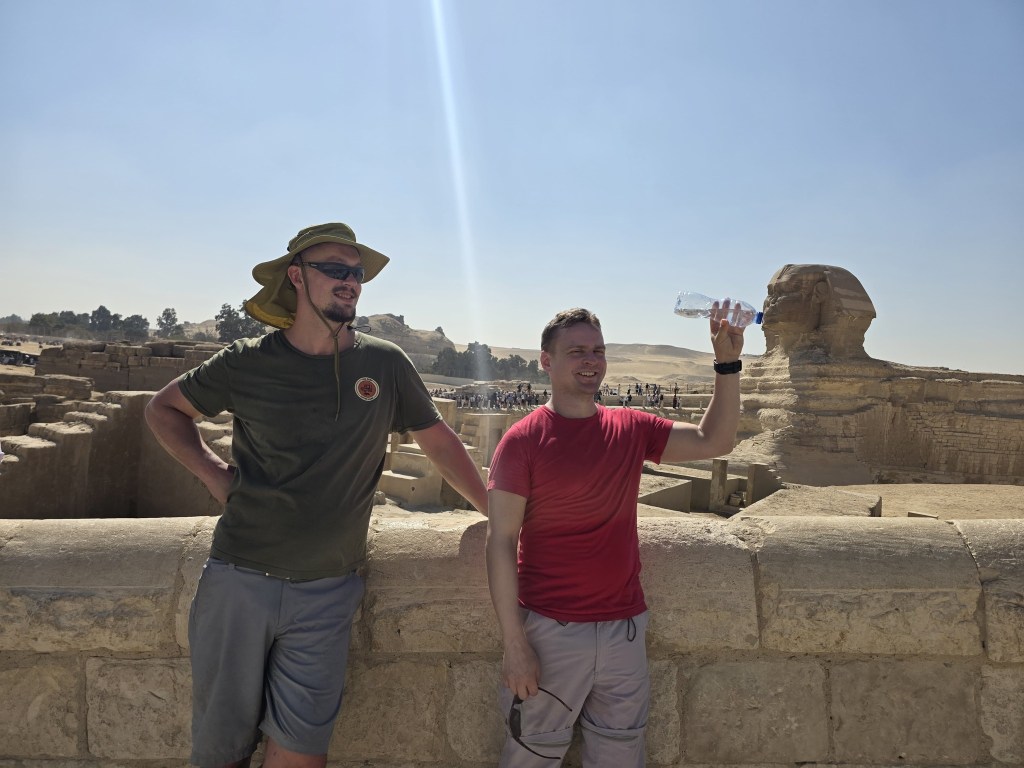


 we were picking up trash whenever we found any, and I had picked up a 5 gallon Dasani water jug.. which I could barely stop myself from throwing like a football at Preston. As we ascended, the effects of the nitrogen bubbles in our blood faded, into a more muted sense of serenity. While we were down there, we saw octopus!!! Also found Egyptian Pounds and Russian Rubles. Basic math is really hard on the sea floor (part of dive training). Now we’re happy to be certified Deep Diver, on top of our Open Water SCUBA cert!!!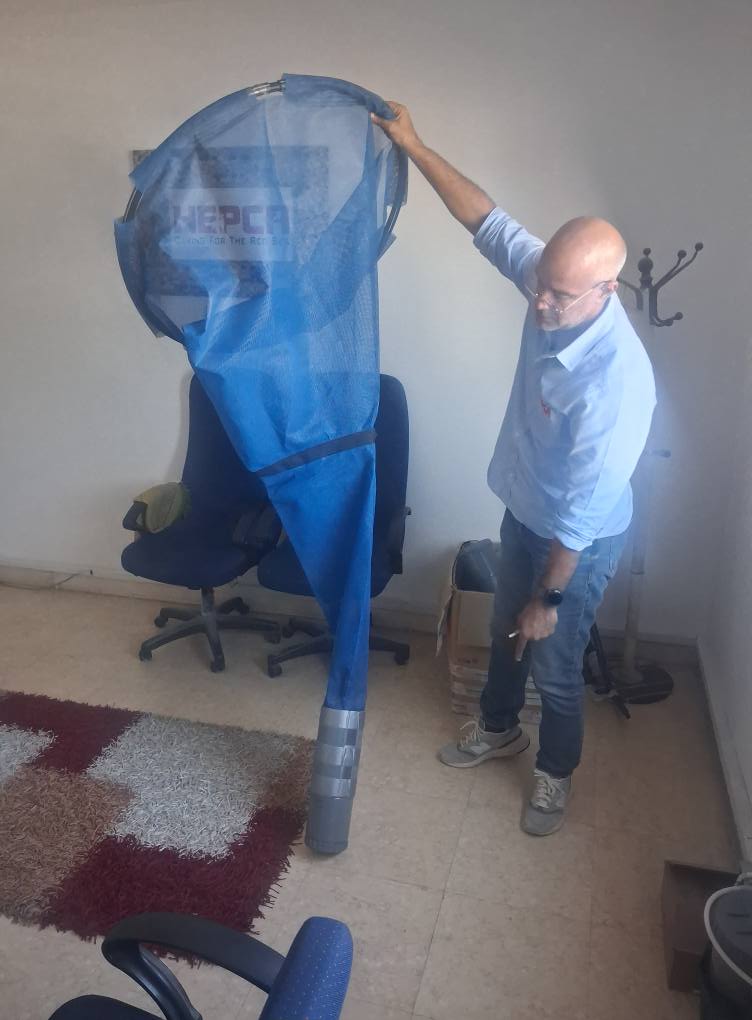

 it is grown everywhere in pots. Landscaping in pots on and around people’s stoops, public planters and in the ground along small and large streets. But it’s not in the food as far as we’ve seen smelled or tasted… we did see it for sale dried at the market. I asked our receptionist at the hotel what Egyptians use it for. He said normal people don’t eat it, only people in the military. The plot thickens! Lol


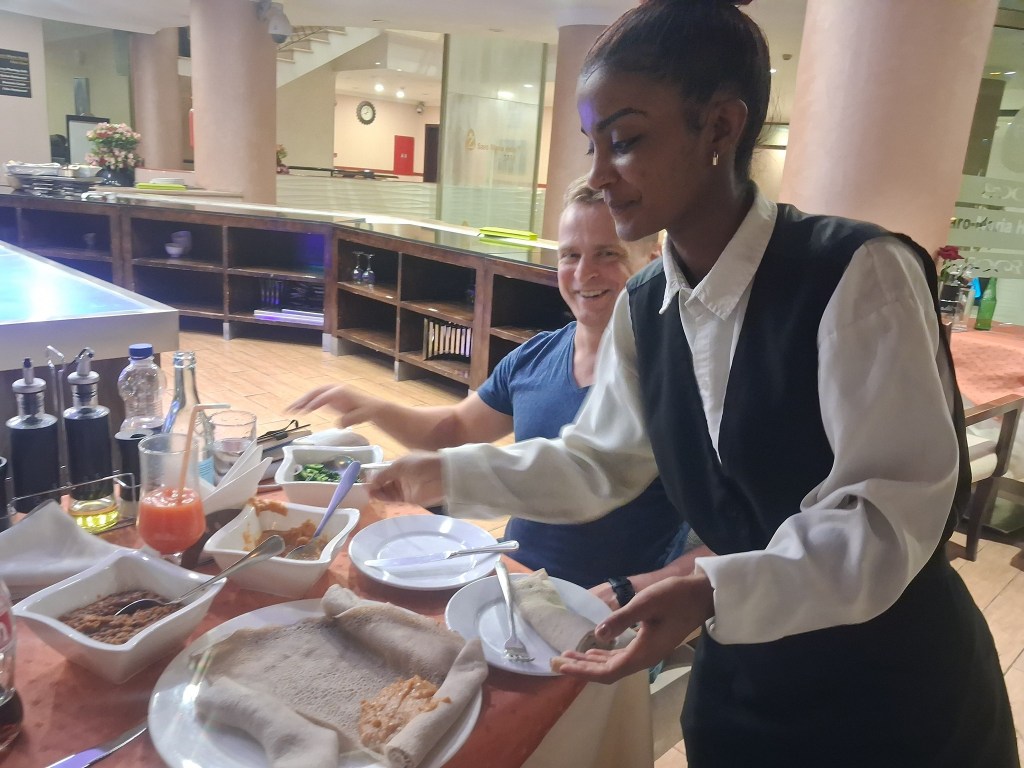

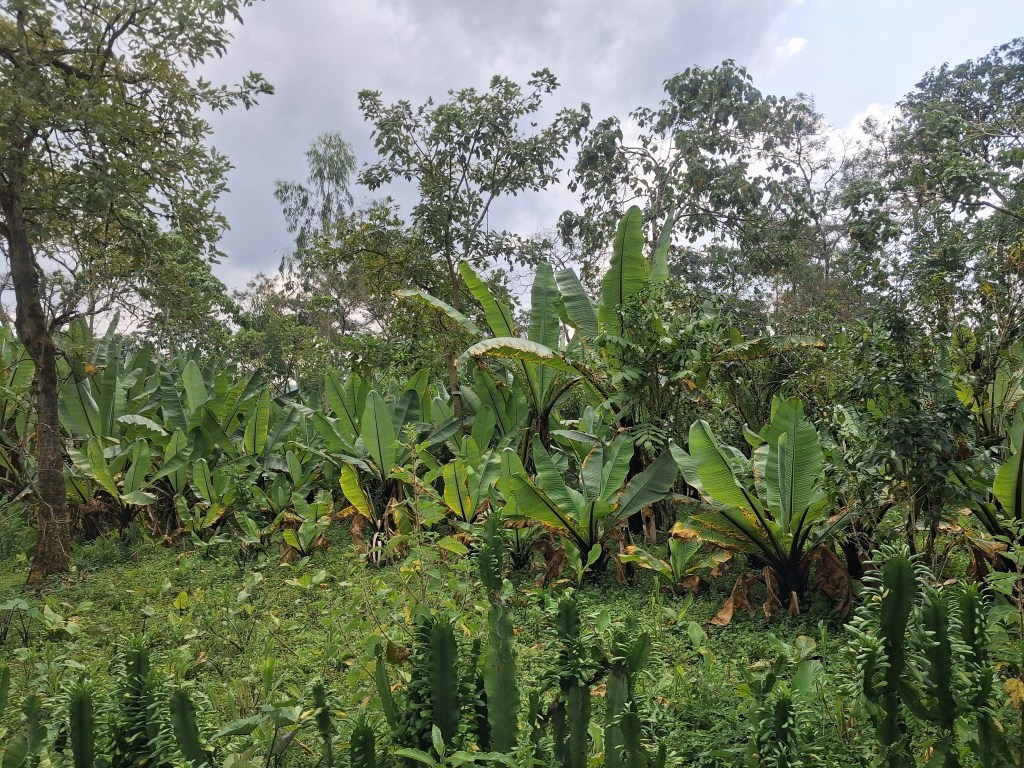


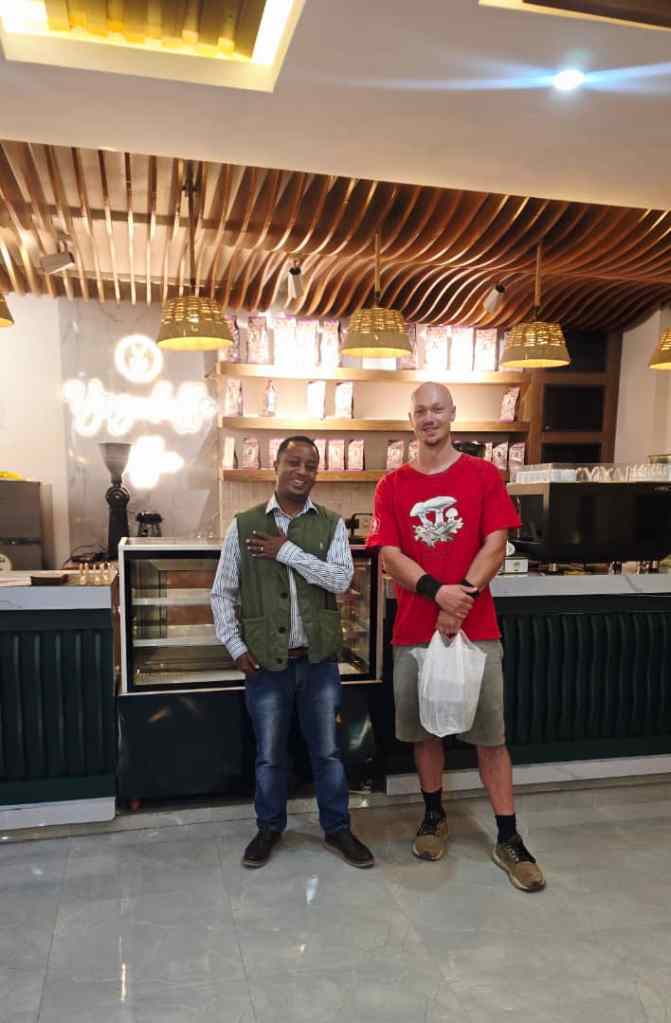
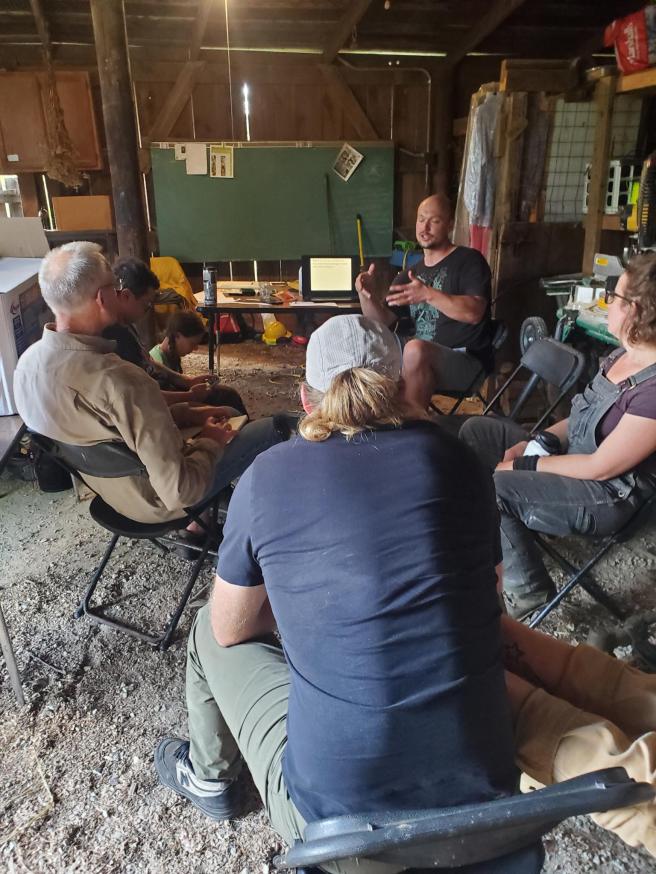

 Paradise Ecological Services